 how-to
Choose Wine for Dinner Party Guests: A Step-by-Step Guide
Table of Contents
- Understand Your Guests' Preferences and Dietary Needs
- How Many Bottles of Wine for 20 Guests and Other Group Sizes
- Wine Pairing Guide for Dinner Parties: Matching Wines to Your Menu
- How to Host Small Wine Tastings During Your Dinner Party
- Serving Temperature, Glassware, and Essential Preparation
- Common Wine Selection Pitfalls to Avoid
- Non-Alcoholic and Low-ABV Options for All Guests
- Budget-Conscious Bulk Buying Strategies
- Frequently Asked Questions
Last Updated: September 21, 2026
When you choose wine dinner party selections, it can feel daunting, especially when you're unsure about your guests' preferences. The good news: with a few practical principles, you can select bottles that work for almost any group. This guide will walk you through how to choose wine dinner party selections, from understanding preferences to serving the right temperature.
Understand Your Guests' Preferences and Dietary Needs
Before you buy a single bottle, ask yourself what you actually know about the people coming. Do you know if anyone prefers red over white? Are there strict non-drinkers in the group? Understanding your guests matters more than picking the "best" wine.
Start by sending a casual message or asking in person. Simple questions work:
- Do you prefer red, white, or sparkling?
- Any wines you actively dislike?
- Are you drinking alcohol tonight?
This takes five minutes and saves you from buying six bottles nobody wants. Many hosts skip this step and end up with leftover wine that doesn't match the group.
For dietary needs, ask about sulfite sensitivity or alcohol content preferences. Some guests prefer lower-alcohol options. Others avoid wine altogether for health or personal reasons. Knowing this upfront means you can stock alternatives without scrambling last-minute.
How Many Bottles of Wine for 20 Guests and Other Group Sizes
The maths is straightforward: plan for about one standard glass (150ml) per person, per hour. Most dinner parties run 3-4 hours, so multiply accordingly.
For a 20-person dinner party, that's roughly 10-12 bottles total across all wine types. But adjust based on your crowd. Wine enthusiasts drink more. Non-drinkers and those nursing a single glass drink less.
Here's a quick reference:
| Group Size | Duration | Total Bottles | Red | White | Sparkling |
|---|---|---|---|---|---|
| 8 guests | 3 hours | 4-5 | 2 | 2 | 1 |
| 12 guests | 3 hours | 6-8 | 3 | 3 | 1-2 |
| 20 guests | 3 hours | 10-12 | 5 | 4 | 2-3 |
One common mistake: buying equal amounts of red and white. Most groups drink more white, especially in warmer months. Adjust the ratio based on your menu and climate.
If you're uncertain, buy slightly less than this guide suggests. You can always open more. Running out feels worse than having a bottle left over.
Wine Pairing Guide for Dinner Parties: Matching Wines to Your Menu
The right wine enhances the food. The wrong one can clash. You don't need to memorise complex pairing rules, focus on body and acidity instead.
Body refers to how heavy or light a wine feels in your mouth. A full-bodied red (like Shiraz) pairs with rich, fatty dishes. A crisp white suits lighter fare.
Acidity cuts through rich foods. High-acidity wines (think crisp whites and dry rosés) refresh your palate between bites.
Match the wine's weight to the food's weight. Serve light wines with fish and vegetables. Reserve full-bodied reds for steak or hearty stews.
Sparkling Wine as Your Universal Starter
Sparkling wine is your secret weapon. It works as an aperitif before dinner, pairs with almost any starter, and feels celebratory without requiring complex decisions.
The best sparkling wines for dinner parties are dry or off-dry. Avoid anything too sweet, it cloys quickly and doesn't pair well with food.
Little River Winery's BRUT de BRUT is a reliable choice here. Made from Chardonnay and Chenin Blanc using Methode Familiale, it's their best seller and works across nearly every occasion. The crisp finish refreshes the palate between courses, and the consistent quality means your guests will enjoy it whether they're wine experts or casual drinkers.
Serve sparkling wine chilled (around 6-8°C) in flute glasses. Open it just before guests arrive so the bubbles stay lively.
Red, White, and Rosé: Choosing Versatile Wines for Unknown Preferences
When you don't know your guests' preferences, pick wines with broad appeal. Avoid extreme styles, very tannic reds or heavily oaked whites can polarise a room.
For red wine: Choose a medium-bodied varietal with soft tannins. Shiraz works well for most groups. It has enough body to feel substantial but isn't so heavy that it overwhelms lighter foods.
Little River Winery's SHIRAZ 2022 (Old Vines) is a solid choice. Shiraz pairs with roasted meats, rich sauces, and hearty sides. The older vines develop deeper flavour complexity without excessive tannins that might turn off casual drinkers.
For white wine: A Chardonnay offers versatility. It's rich enough to feel special but light enough to pair with fish, chicken, or vegetarian dishes.
Little River Winery's CHARDONNAY 2020 is described as soft and full of flavour, exactly what you want for a dinner party. It's not your typical heavily oaked style, so it appeals to people who find some Chardonnays too heavy.
For rosé: Choose a dry rosé, not a sweet one. Dry rosé has enough acidity and body to pair with food while feeling refreshing.
Little River Winery's FLORIAL 2025 is a crisp, dry rosé with strawberry aromas. It's light and fruity, perfect for warmer evenings or guests who want something between white and red.
How to Host Small Wine Tastings During Your Dinner Party
A casual tasting adds a memorable element without requiring expertise. Keep it simple and fun.
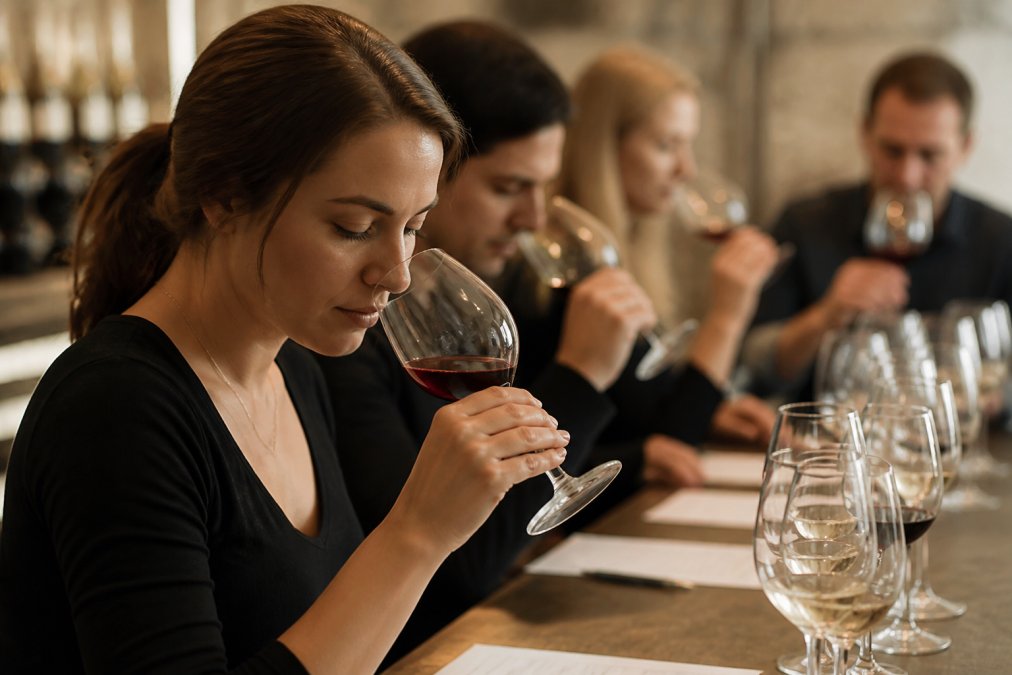
Pour small 30ml tasters of two or three wines side by side. Ask guests to notice the colour, aroma, and taste. You don't need to lecture, just invite observation.
A tasting works best with wines that contrast. Try a sparkling, a white, and a red. Or compare two reds with different body styles.
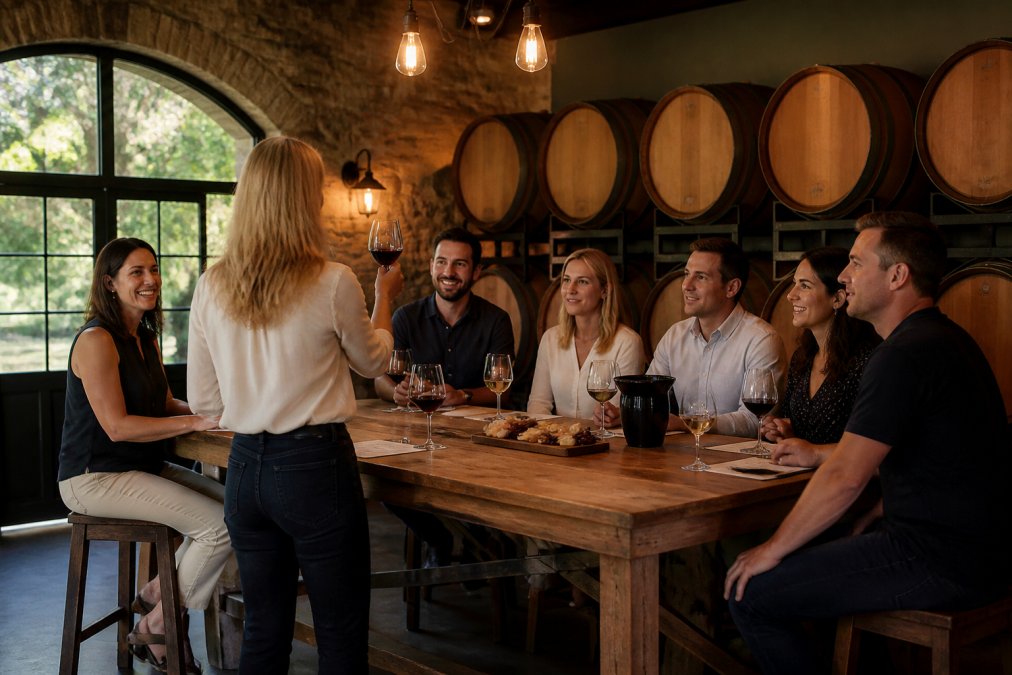
Little River Winery offers cellar door tastings with a maximum group cap of 8-10 guests, which works perfectly for intimate dinner parties where you want to deepen the experience. If you're planning a larger event, you could arrange a pre-party tasting with a smaller group, then serve those wines at the main dinner.
For a DIY tasting at home:
- Use clear wine glasses so guests can see the colour
- Serve wines in order from lightest to fullest
- Taste before eating, food interferes with flavour perception
- Keep notes simple: "fruity," "dry," "smooth"
This takes 10-15 minutes and gives guests something to discuss. It's particularly effective if you're featuring wines from a single producer, as guests can taste how different varietals express the same terroir.
Serving Temperature, Glassware, and Essential Preparation
Temperature matters more than most people realise. Warm wine tastes flat. Too-cold wine tastes muted.
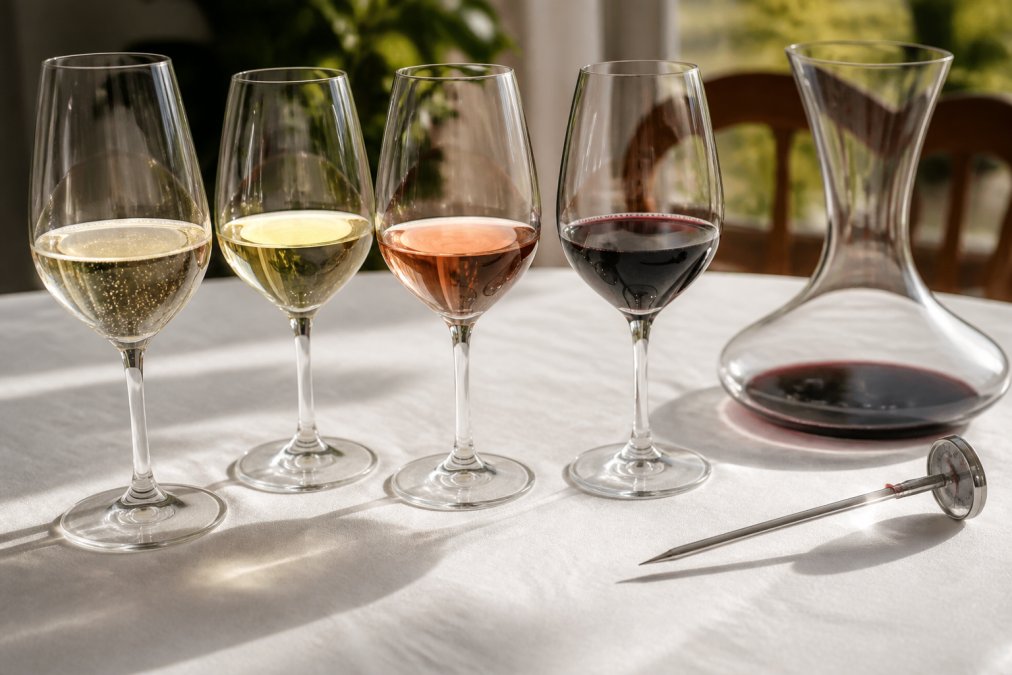
Serving temperatures:
- Sparkling: 6-8°C (serve in a chiller bucket)
- White wine: 8-10°C (chill for at least 2 hours)
- Rosé: 8-10°C (same as white)
- Light red: 12-14°C (slightly cool)
- Full-bodied red: 16-18°C (room temperature, but cooler than you'd expect)
Glassware:
- Sparkling: flute or coupe
- White and rosé: medium bowl glass
- Red: larger bowl glass (allows the wine to breathe)
Common Wine Selection Pitfalls to Avoid
Most dinner party wine disasters come from predictable mistakes. Knowing them helps you avoid the same traps.
Non-Alcoholic and Low-ABV Options for All Guests
Not everyone drinks alcohol. Offering good alternatives shows thoughtfulness and ensures all guests feel included.
Non-alcoholic options:
- Quality sparkling water (not tap water in a glass)
- Fresh juices (apple, cranberry, or orange)
- Alcohol-free sparkling wine (improving rapidly in quality)
- Herbal teas served chilled
Look for:
- Moscato (typically 5-7% ABV)
- Riesling (often 8-10% ABV)
- Pinot Grigio (usually 12% ABV but feels lighter)
Budget-Conscious Bulk Buying Strategies
Buying wine for a dinner party doesn't mean spending a fortune. Smart shopping saves money without sacrificing quality.
Frequently Asked Questions
How many bottles of wine do I need for a dinner party of 10?
Plan for approximately 1.5 to 2 bottles per person across the entire evening, depending on meal length and whether wine is the sole beverage. For 10 guests, that's 15-20 bottles total. If you're serving a three-course dinner with wine pairings for each course, you'll use roughly 3-4 ounces (90-120 ml) per course per person. Consider that some guests will drink less, so having variety helps you accommodate different preferences without excessive waste.
What's the best approach to wine pairing guide for dinner parties with multiple courses?
Start with sparkling wine or a crisp white as an aperitif. Serve white wines with lighter courses (seafood, poultry, lighter sauces) and transition to red wines with heartier dishes (beef, lamb, rich sauces). Rosé works well between courses or as a standalone option for guests uncertain about red or white. The key is matching the wine's body and acidity to the food's weight and flavour intensity. Avoid tannin-heavy reds with delicate fish, and skip overly sweet wines unless they're intentional digestifs at the end.
Can I offer a wine tasting experience during my dinner party?
Yes. Small wine tastings work well as an interactive element during aperitifs or after the main course. Pour 1-2 ounces (30-60 ml) of each wine into appropriate glasses and guide guests through aroma, colour, and flavour notes. If you're hosting a formal tasting, limit it to 3-4 wines to avoid palate fatigue. Little River Winery's cellar door tastings accommodate groups of up to 8-10 guests, making them ideal for intimate dinner party experiences or pre-event planning.
How do I choose wine for dinner party guests with different tastes?
Offer a mix: sparkling wine (universally appealing), a crisp white, a medium-bodied red, and a dry rosé. This covers most preferences without overwhelming your shopping. Ask guests ahead of time about their favourite varietals or whether they prefer red or white. For guests with unknown preferences, stick to wines with balanced acidity and moderate tannins, neither too dry nor too sweet. Avoid extremely full-bodied or heavily oaked wines that polarise opinions. Having one non-alcoholic option ensures everyone feels included.