 how-to
Buying Wine Online for Large Events: A 2026 Guide
Table of Contents
- How to Start Buying Wine Online for Large Events
- Calculating Wine for Events: How Many Bottles Do You Actually Need
- Best Wine for Weddings and How to Choose the Right Mix
- Bulk Wine Delivery in Australia: Logistics and Lead Times
- Legal Requirements for Serving Alcohol at Events
- Corporate Functions and Wine Selection for Diverse Groups
- Buying Wine Online for Large Events: Common Mistakes to Avoid
- Conclusion
Last Updated: August 27, 2026
How to Start Buying Wine Online for Large Events
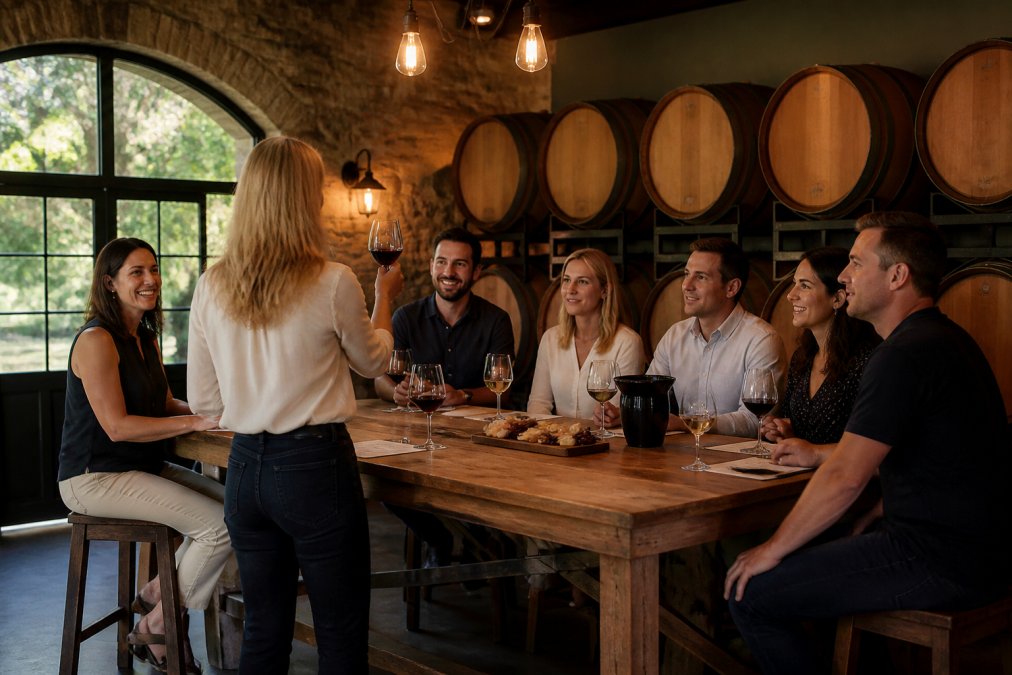
Buying wine online for large events looks straightforward until you're staring at 200 guests and a cart full of second-guesses. At Little River Winery, we work with event hosts ranging from intimate dinner parties to full wedding receptions, and the questions are almost always the same: where do I start, how much do I order, and how do I avoid a disaster on the day?
The process is manageable once you break it into stages. The key mistake is jumping straight to variety selection before sorting budget, quantities, and logistics. Start at the foundation, and the rest follows naturally.
Set Your Budget Before You Browse
Budget shapes every decision that comes after it. Work out your total beverage spend, then allocate a realistic portion to wine. Separate the wine budget into categories: sparkling for arrivals and toasts, white for food service, red for the main course.
Once you have a per-bottle ceiling, filter your selection accordingly. Many online wineries offer case discounts that make bulk orders significantly more cost-effective than buying bottle by bottle. Check whether the winery has a free delivery threshold, as delivery logistics can add up quickly for large orders.
Tasting Packs and Mixed Cases Before You Commit
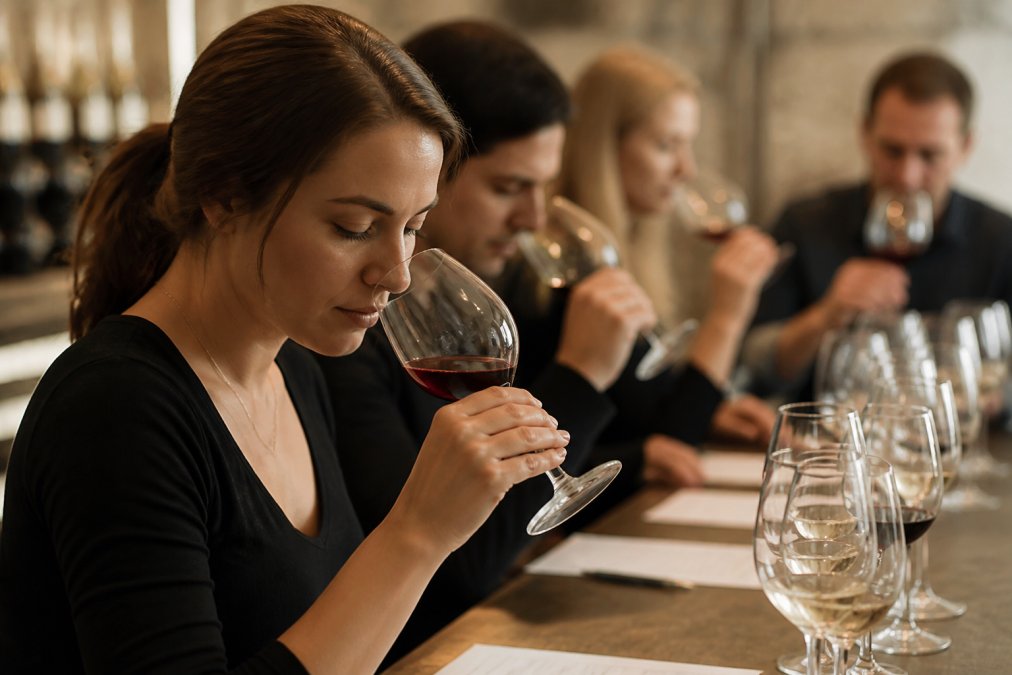
The most common regret from event hosts who buy wine online is ordering at volume without tasting first. A wine that reads beautifully on a product page may not suit your crowd, your food, or your venue's temperature conditions.
Tasting packs and mixed cases solve this. Order a small selection across your preferred varietals, serve them at a small dinner, and let real feedback guide your bulk wine order. This is especially important when catering for diverse groups with varying palates.
Calculating Wine for Events: How Many Bottles Do You Actually Need
Calculating wine for events starts with one reliable baseline: most guests consume roughly one standard drink per hour in a social setting. A standard drink in Australia contains 10 grams of alcohol, which is approximately 100ml of wine at 13% ABV, as defined by Drink Wise Australia's standard drinks guide.
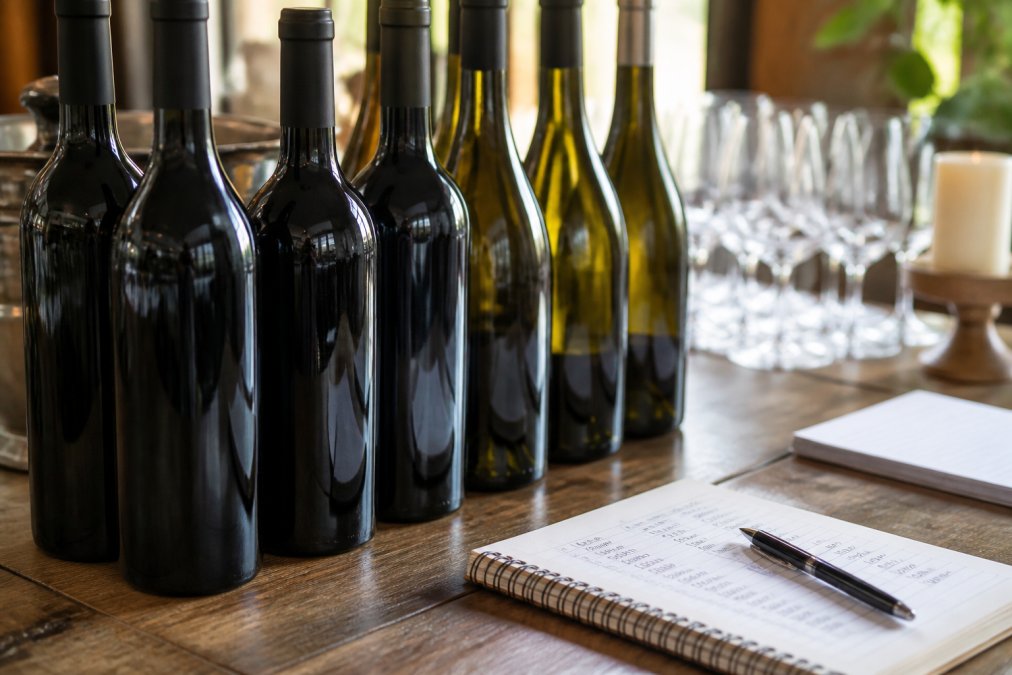
This gives you a practical starting point for beverage planning, but the real calculation involves several variables.
A Simple Bottle Count Formula
Here is a straightforward formula that event planners use for guest count estimation:
| Variable | Value |
|---|---|
| Guests drinking wine | Total guests × 0.7 (assume ~70% will drink wine) |
| Drinks per person | Event hours × 1 standard drink per hour |
| Bottle yield | 750ml bottle = ~5 standard drinks |
| Buffer stock | Add 15-20% to final bottle count |
Example: 80 guests, 4-hour event.
- Wine drinkers: 80 × 0.7 = 56
- Drinks needed: 56 × 4 = 224 standard drinks
- Bottles required: 224 ÷ 5 = ~45 bottles
- With 15% buffer: ~52 bottles, or roughly 4.5 cases
Adjust this estimate based on what you know about your crowd.
Adjusting for Event Type and Duration
Event type changes everything. A cocktail-style reception where guests are standing and mingling drives higher wine consumption than a seated dinner. Longer events need proportionally more stock, and warm weather typically sees higher consumption of white and sparkling wine.
Practical adjustments:
- Cocktail events: increase estimate by 10-15%
- Seated dinners: standard formula applies
- Outdoor summer events: skew toward white wine and sparkling wine by roughly 60/40 over reds
- Corporate functions: consumption tends to be more moderate; reduce estimate by 10%
Best Wine for Weddings and How to Choose the Right Mix
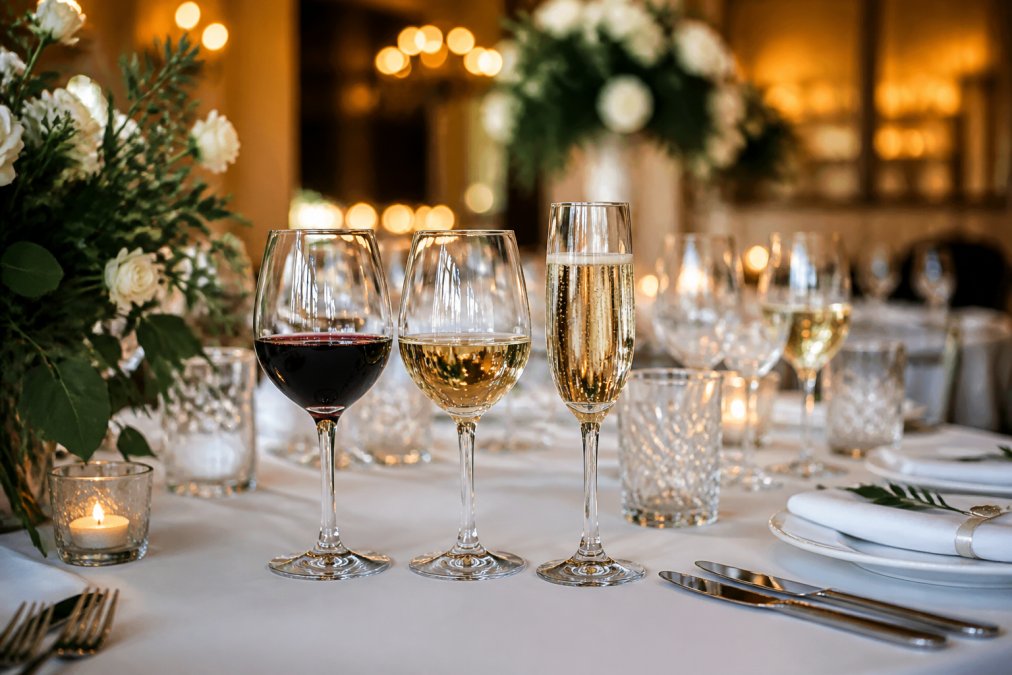
The best wine for weddings balances crowd-pleasing varietals with moments of genuine quality that guests will remember. This is not the place to play it entirely safe with the cheapest available labels, and it's equally not the place to spend your entire budget on a single prestige red that half your guests won't appreciate.
Sparkling Wine for the Reception and Toast
Sparkling wine is non-negotiable at a wedding reception. It sets the tone on arrival and anchors the toast. For a reception of 80 guests, plan on at least one glass of sparkling per person on arrival, plus a half glass for the toast, roughly 24 bottles of sparkling wine before factoring in guests who want more.
A dry, elegant sparkling wine suits a formal reception; a slightly fruitier style works better for a relaxed outdoor setting. Little River Winery's sparkling range is crafted to work across both contexts, with the kind of refined finish that photographs well and tastes better.
Food and Wine Pairing for Large Wedding Menus
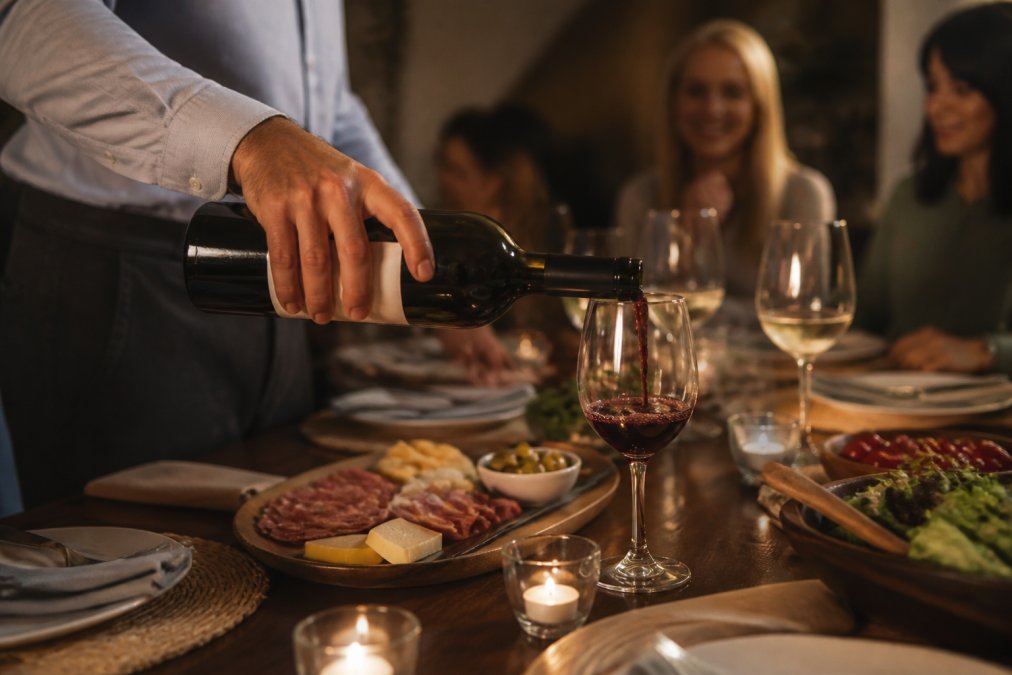
Food and wine pairing at scale is simpler than most people think. You're not finding a perfect match for every dish; you're choosing wines that don't clash with the broadest possible range of food on the menu.
Practical pairing principles for large event catering:
- Canapés and light starters: sparkling wine or a crisp, unoaked white
- Seafood and white meat mains: Sauvignon Blanc, Chardonnay, or Pinot Gris
- Red meat mains: Shiraz, Cabernet Sauvignon, or a Cabernet-Merlot blend
- Dessert course: a late-harvest style or off-dry white
For a wedding with a single shared menu, one white and one red alongside the sparkling covers most guests well. For a menu with diverse options, two whites of different styles gives guests more flexibility without overwhelming the order.
Bulk Wine Delivery in Australia: Logistics and Lead Times
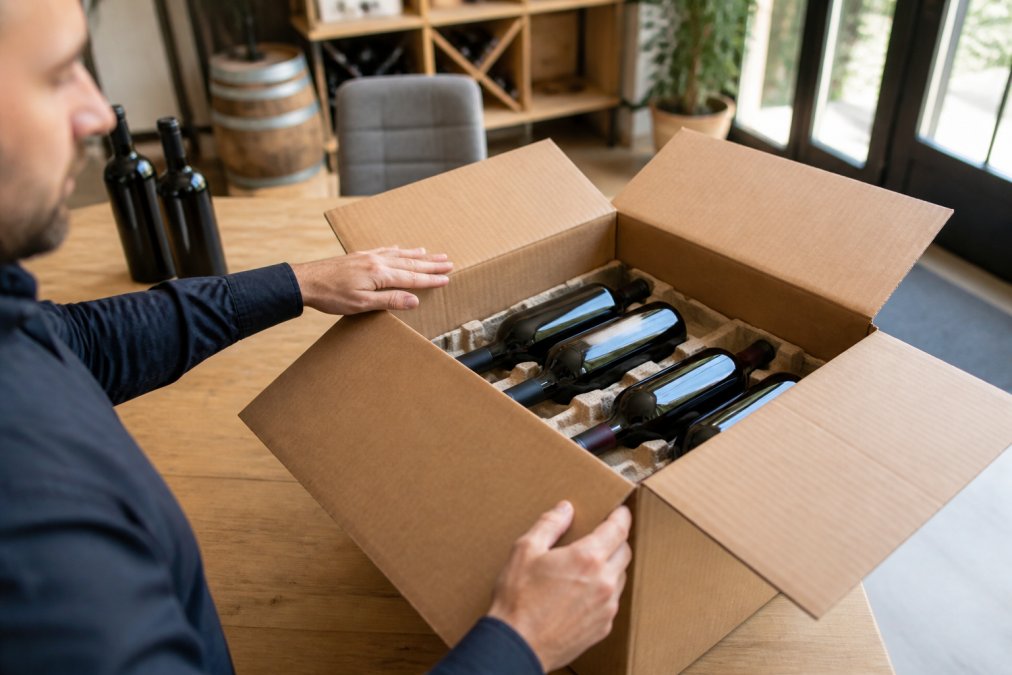
Bulk wine delivery requires more planning than a standard online order. Many wineries require a minimum of two to three weeks' lead time for large orders, extending further during peak seasons (November through January).
According to Australia Post's guide to alcohol delivery regulations, alcohol deliveries require an adult signature at the point of receipt, which has practical implications for delivery scheduling when coordinating with a venue.
Free Delivery Thresholds and Case Discounts
Most reputable online wine suppliers structure pricing around case quantities. Buying by the case typically unlocks case discounts, and many suppliers set a free delivery threshold at a specific order value or case volume.
When placing a bulk wine order for an event, the maths usually work strongly in favour of ordering in cases. The per-bottle price drops, delivery is often free above the threshold, and packaging is more practical for transport and venue storage.
Always confirm:
- The minimum order for free delivery
- Whether mixed cases qualify for the same discount as single-varietal cases
- Lead time from order to dispatch
- Whether the supplier can deliver directly to the venue or only to a residential address
Return Policies for Unopened Stock
If you over-order based on your buffer calculation, you want to know what happens to unopened cases. Many Australian wine producers and online retailers have a return policy for unopened, undamaged stock, but terms vary considerably. Some require return within 30 days; others only accept returns on orders above a certain case volume.
Ask before you order. A supplier with a clear, fair return policy on unopened stock is a meaningful differentiator when ordering 10+ cases with a fixed event budget.
Legal Requirements for Serving Alcohol at Events
Serving alcohol at events in Australia is governed by state and territory liquor licensing laws, which differ depending on whether the event is private or open to the public.
For private events held on private property, the venue's existing liquor licence typically covers service. For events at unlicensed venues or public spaces, the event organiser may need to apply for a temporary liquor licence.
As outlined by the Australian Institute of Environmental Health's guidance on event management, responsible service of alcohol obligations apply regardless of event type. This includes not serving alcohol to minors, not serving intoxicated guests, and ensuring non-alcoholic alternatives are available.
Key legal considerations for event alcohol service:
- Responsible Service of Alcohol (RSA): Staff serving alcohol are generally required to hold a valid RSA certificate in most states and territories
- Temporary licences: Check with your state's liquor licensing authority well in advance; applications can take several weeks to process
- BYO arrangements: Some venues permit BYO wine for a corkage fee, worth clarifying before you place your bulk wine order
- Minors: It is illegal to supply alcohol to anyone under 18, regardless of event context
Corporate Functions and Wine Selection for Diverse Groups
Corporate event wine selection presents a different challenge to weddings. The crowd is typically more diverse in palate and preference, consumption is generally more moderate, and the wine should complement the professional setting without overshadowing it.
The safest approach for corporate functions is a curated selection of two to three wines: one sparkling for arrivals, one approachable white, and one medium-bodied red. Avoid heavily tannic reds or intensely oaked whites, which can polarise opinion quickly in a group that hasn't self-selected as wine enthusiasts.
Wine subscription and tasting pack options are particularly useful in the corporate context. Ordering a tasting pack from a winery's direct-to-public range lets the event organiser sample the selection before committing to a full bulk order, reducing the risk of a mismatch between the wine and the audience.
Buying Wine Online for Large Events: Common Mistakes to Avoid
Most problems that arise when buying wine online for large events are avoidable. They tend to cluster around the same handful of errors.
Ordering too late. Bulk wine orders for events need to be placed at least three weeks out, ideally four to six weeks during peak seasons. Vintage selection can be limited if you leave it to the last fortnight.
Skipping the tasting step. Ordering 10 cases of a wine you've never tried is a gamble. Order a mixed case or tasting pack first, even if it adds a week to your timeline.
Underestimating sparkling wine demand. Sparkling wine consumption at events consistently runs higher than most hosts anticipate. Order more than you think you need and rely on your return policy for any surplus.
Ignoring delivery logistics. Confirm that the winery can deliver to your venue address, not just a residential address. Check whether an adult signature is required and who will be available to receive the order.
Forgetting non-alcoholic options. RSA obligations and basic hospitality both require that non-alcoholic alternatives are available. Wine is the focus, but it shouldn't be the only option.
Not reading the return policy. As noted in Consumer Affairs Victoria's guide to retail returns, return policies for online purchases vary widely. For a large event order, understanding the return terms before you buy is essential.
| Mistake | Fix | Impact |
|---|---|---|
| Ordering too late | Place order 4-6 weeks out | Avoids out-of-stock issues |
| No tasting pack | Order mixed case first | Reduces selection risk |
| Underestimating sparkling | Add 20% buffer to sparkling | Avoids running dry at toast |
| No return policy check | Confirm terms before ordering | Protects budget on over-order |
| Ignoring delivery logistics | Confirm venue delivery upfront | Avoids day-of scrambles |
| Skipping RSA requirements | Check state licensing rules | Avoids legal exposure |
Frequently Asked Questions
How much wine should I buy for 50 guests?
A standard guide is roughly one bottle per two guests over a two-hour event, so 25 bottles as a baseline for 50 people. For a three-hour dinner, plan for closer to 35-40 bottles. Split your order across red, white, and sparkling to suit different preferences. Always order 10-15% more than your estimate to avoid running short, and check whether your supplier accepts returns on unopened cases so excess stock is not wasted.
How far in advance should I order wine for a large event?
Order at least three to four weeks before your event for standard bulk wine delivery. For weddings or large corporate functions with 80 or more guests, six to eight weeks gives you time to confirm quantities, arrange delivery logistics, and source specific varietals that may have limited stock. Premium or small-batch wines from boutique producers can sell out quickly, so earlier is always safer when buying wine online for large events.
Do online wine retailers offer bulk discounts for events?
Most producers and online retailers offer case discounts, typically applied once you order six or twelve bottles or more. Some offer tiered wholesale pricing for larger orders of 30 or more bottles. Free delivery thresholds also apply at certain order values. Contact the winery directly to ask about event packages, mixed case pricing, and whether a dedicated account or quote process is available for weddings and corporate functions.
What legal requirements apply to serving alcohol at a private event?
Requirements depend on the event format. Private functions where alcohol is not sold generally do not require a liquor licence, but any event where alcohol is supplied as part of a ticketed or paid arrangement may need one under state liquor licensing laws. Each state and territory has its own Liquor Act and licensing authority. Check with your state's liquor licensing body before your event, and ensure anyone serving alcohol understands responsible service of alcohol obligations.
Planning a large event is genuinely complicated, and the wine component deserves more attention than most hosts give it. Little River Winery works with event clients who need premium wine at volume, with the kind of curated selection across sparkling, white, and red varieties that makes the beverage planning straightforward rather than stressful. Visit the Little River Winery website to explore our range and get in touch about bulk event orders.
This article was written using GrandRanker