 ultimate-guide
What Makes a Vineyard Wine Unique
Table of Contents
- What Makes a Vineyard Wine Unique
- How Terroir Shapes Wine Character
- Soil Composition and Mineral Expression
- Climate, Elevation and Sun Exposure
- Vine Age and Root System Development
- Single Vineyard vs Regional Blend
- What to Look for on an Australian Wine Label Explained
- Human Winemaking Choices and Terroir
- Frequently Asked Questions
Last Updated: September 2, 2026
What Makes a Vineyard Wine Unique
A vineyard wine's character is shaped by soil composition, climate patterns, elevation, vine age, and winemaking decisions, creating a fingerprint no other vineyard can replicate. Understanding what makes a vineyard wine unique requires examining both the natural environment and the human choices that guide fruit from vine to bottle.
At Little River Winery, we've spent years studying how these elements interact to produce wines that capture the essence of our specific site. Every vintage tells a story written by geology, weather, and decades of viticultural practice. This guide explores the layered factors that define a truly distinctive vineyard wine and how to recognise those qualities when selecting a bottle.
How Terroir Shapes Wine Character
Terroir is the French concept encompassing everything a vineyard's environment contributes to the wine it produces, the sense of place translated into flavour. A vineyard wine unique in its terroir expression combines soil mineralogy, microclimate patterns, topography, and seasonal variation into a single, recognisable profile that persists across vintages.
The best vineyard sites produce wines that taste distinctly themselves year after year, even as vintage conditions vary. A wine from a site with true terroir character will show recognisable mineral notes, aromatic profiles, and textures whether the vintage was warm or cool, wet or dry. This consistency separates wines with genuine terroir from those that simply reflect a single year's conditions.
Soil Composition and Mineral Expression
Soil is the foundation of everything. The mineral content, structure, and drainage characteristics determine how deeply vine roots penetrate, how much water the plant accesses, and which minerals end up in the grape itself. A vineyard wine unique in mineral expression often comes from sites where soil composition creates specific growing conditions that influence flavour development.
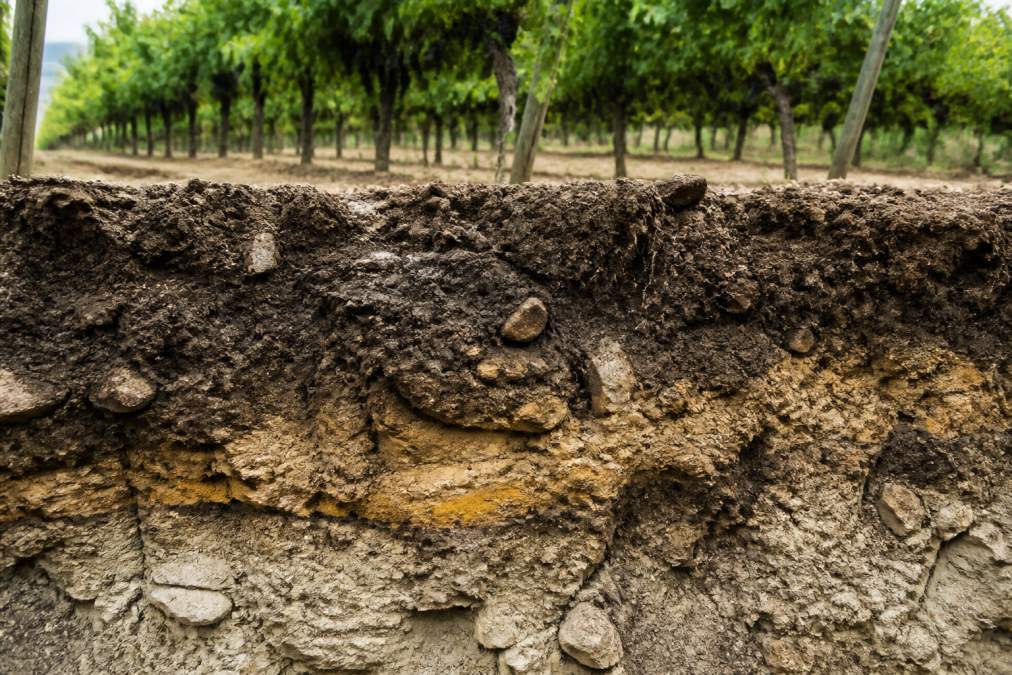
Different soil types produce markedly different wines. Sandy soils drain quickly and produce lighter, more delicate wines with bright acidity. Clay-rich soils retain moisture and nutrients, supporting fuller-bodied wines with deeper colour and tannin structure. Limestone and chalk soils impart mineral complexity and acidity that make wines taste crisp and mineral-driven. Volcanic soils contribute distinctive mineral notes sommeliers often describe as "flinty" or "chalky."
Shallow soils force vines to develop extensive root systems that search for water and nutrients deep underground, reaching mineral-rich layers that shallow-rooted vines never access. This struggle produces more concentrated grapes and wines with greater complexity. Conversely, deep, rich soils can make viticulture easier but sometimes produce less distinctive wines because the vine doesn't need to work as hard.
Drainage is equally critical. Waterlogged soils lead to dilute, unripe fruit. Well-drained soils, particularly those with a mix of clay and stone, allow vines to access moisture during dry periods while shedding excess water after rain. This balance produces grapes with optimal ripeness and concentration.
Climate, Elevation and Sun Exposure
Climate is the broadest environmental factor shaping what makes a vineyard wine unique. Temperature patterns throughout the growing season determine ripeness levels, acidity balance, and which aromatic compounds develop in the grape. Cool-climate vineyards produce wines with higher acidity, lighter colour, and more herbaceous or floral aromas. Warm-climate vineyards produce riper, fuller-bodied wines with lower acidity and riper fruit character.
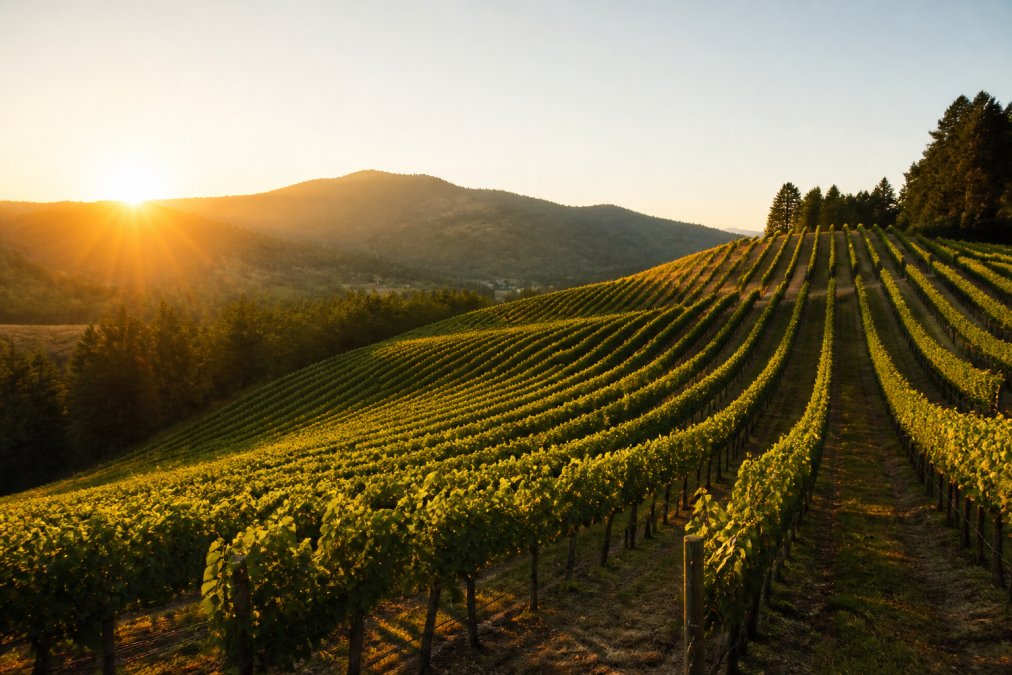
Elevation affects temperature significantly. For every 100 metres of elevation gain, average temperature drops approximately 0.6 degrees Celsius (noaa.gov). High-altitude vineyards remain cooler even in warm regions, extending the growing season and allowing fruit to ripen slowly. Slow ripening produces more complex, age-worthy wines with better acid-to-sugar balance.
Sun exposure determines how much energy the vine receives during the growing season. Aspect, the direction a vineyard faces, is one of the most important factors in determining what makes a vineyard wine unique. Two vineyards separated by a single ridge can produce dramatically different wines based purely on which direction their slopes face.
Rainfall and water availability create another layer of complexity. Regions with consistent, moderate rainfall produce balanced wines. Dry regions require careful irrigation management; too little water and the vine shuts down; too much and the wine becomes dilute. The timing of rain matters as much as the total amount. Rain just before harvest can dilute grapes and increase disease pressure, while a dry spell before harvest concentrates sugars and flavours.
Vine Age and Root System Development
A vineyard wine unique partly depends on the age of the vines producing it. Young vines (under 5 years) have shallow root systems that access only surface moisture and nutrients, producing lighter wines with less complexity. As vines age, their root systems deepen and expand, accessing water and minerals from deeper soil layers. By 20 or 30 years old, roots may extend 3 to 4 metres underground (peer-reviewed research).
Older vines produce smaller crops of more concentrated fruit with thicker skins, higher tannin levels, and more intense flavour compounds. This is why wines labelled "old vines" or "vieilles vignes" often command premium prices, the age of the vine genuinely affects the wine's character. Most premium vineyards maintain vines in the 25-to-50-year range, where complexity is highest and production remains viable (peer-reviewed research).

The root system's depth determines how a vineyard responds to drought. Shallow-rooted young vines suffer dramatically during dry years. Deep-rooted old vines can survive extended droughts by accessing water reserves deep underground. This resilience means old vineyard blocks produce more consistent wines across varying vintage conditions.
Single Vineyard vs Regional Blend
A vineyard wine unique stands apart from blended wines in a fundamental way. Single-vineyard wines express the specific character of one location. Regional blends combine fruit from multiple vineyards, often across different soil types and microclimates, creating a more homogenised, broadly appealing profile.
Single-vineyard wines are inherently more variable. A cool vintage will taste noticeably different from a warm vintage of the same vineyard. This vintage variation reflects the actual conditions the vineyard experienced. Regional blends smooth out these variations by combining fruit from different sites, allowing winemakers to produce consistent products year after year.
What makes a vineyard wine unique is partly this willingness to let the site speak for itself, even when that means the wine varies from vintage to vintage. Single-vineyard producers accept that some years produce lighter wines and others produce blockbusters.
This philosophy influences pricing. A single-vineyard wine typically costs more than a regional blend of similar quality because it represents a specific place and vintage. You're paying for the expression of terroir, not for consistency. At Little River Winery, our single-vineyard releases reflect this commitment.
What to Look for on an Australian Wine Label Explained
Understanding wine labels helps you identify what makes a vineyard wine unique before you taste it. Australian wine labels are required to display certain information about the wine's origin, vintage, and alcohol content.
The vintage year appears prominently on most labels, telling you when the grapes were harvested. A wine labelled 2022 was made from grapes harvested in 2022. Cool vintages produce lighter, more elegant wines. Warm vintages produce riper, fuller wines.
The region of origin should be stated on the label. In Australia, these regions range from broad (South Australia) to specific (Barossa Valley, Margaret River, Swan Valley). A wine labelled with a specific region tells you more about terroir than a wine simply labelled South Australia.
The varietal or grape variety should be listed. If the label says Shiraz, at least 85 per cent of the wine must be Shiraz. Single-varietal wines express the character of one grape type; blends combine the characteristics of multiple varieties.
Some labels include "estate-grown" or "single vineyard," indicating the wine comes from one specific vineyard block rather than a blend of sources. This designation directly answers what makes a vineyard wine unique.
Alcohol content appears as a percentage. Australian wines typically range from 11 per cent to 15 per cent alcohol by volume. Higher alcohol usually indicates riper fruit and warmer growing conditions.
Human Winemaking Choices and Terroir
A vineyard wine unique isn't determined by nature alone. The winemaker's decisions profoundly shape what ends up in the bottle. Harvest timing, fermentation temperature, oak treatment, and blending decisions all influence the final wine's character.
Harvest timing is perhaps the most critical choice. Picking grapes a week earlier produces higher-acid, lighter wines. Picking a week later produces riper, fuller wines. Some winemakers harvest in the cool early morning to preserve acidity and freshness. Others wait for warmer afternoons to maximise ripeness.
Fermentation temperature affects which aromatic compounds develop. Cool fermentation preserves delicate fruit aromas and produces lighter, more elegant wines. Warm fermentation produces fuller wines with different aromatic profiles. The choice of yeast, native fermentation using wild yeasts versus cultured commercial yeasts, also influences the wine's flavour development and complexity.
Oak treatment is another major decision point. Wines aged in new oak develop vanilla, spice, and toast notes that mask fruit character. Wines aged in neutral oak or stainless steel allow the fruit and terroir to speak more clearly. Some winemakers use a combination to balance oak influence with fruit expression.
Blending decisions determine the final wine's character. A winemaker might blend fruit from different vineyard blocks to create a more complex wine than any single block could produce alone, or keep blocks separate to showcase each site's specific character.
Understanding what makes a vineyard wine unique transforms how you select and appreciate wine. You'll recognise that premium pricing reflects genuine differences in terroir, vine age, and winemaking philosophy. When choosing wines for a special occasion or building your cellar, look for single-vineyard expressions from established sites with mature vines and thoughtful winemaking. At Little River Winery, our carefully crafted selections, including our Old Vines Shiraz 2022 and our Mistelle Blanche fortified wine, demonstrate how specific vineyard character translates into distinctive, memorable wines. Explore our collection to discover how terroir and craftsmanship combine to create wines worth returning to.

| Factor | Impact on Wine Character | How It Shapes Uniqueness |
|---|---|---|
| Soil composition | Mineral expression, drainage, nutrient availability | Determines mineral notes and flavour intensity |
| Elevation | Temperature, ripeness timing, acidity balance | Creates consistent character across vintages |
| Sun exposure | Ripeness level, aromatic development | Distinguishes warm-side from cool-side expressions |
| Vine age | Root depth, fruit concentration, complexity | Older vines produce more intense, stable wines |
| Harvest timing | Acidity balance, ripeness, alcohol level | Winemaker choice that defines wine's personality |
| Oak treatment | Aromatic profile, texture, ageing potential | Determines whether terroir or oak dominates |
Frequently Asked Questions
What is the difference between a single vineyard wine and a regional blend?
Single vineyard wines come from one specific site and express that location's distinct terroir, soil composition, and microclimate. Regional blends combine grapes from multiple vineyards across a broader area, offering consistency but less site-specific character. Single vineyard wines tend to show greater complexity and sense of place, whilst blends provide broader appeal and balanced flavour profiles.
How does terroir influence the flavour profile of a wine?
Terroir encompasses soil, climate, elevation, and topography, all of which directly shape how grapes develop. Mineral-rich soils impart distinct mineral notes; cool climates produce higher acidity and delicate aromas; warm sites yield riper fruit and deeper colour. These environmental factors work together to create a wine's unique signature that cannot be replicated elsewhere.
What should I look for on an Australian wine label to identify quality and uniqueness?
Look for the vineyard or estate name (indicating single-vineyard provenance), the vintage year, varietal character, and region designation. The 85% rule means at least 85% of the wine must come from the stated vintage and region. Labels from established vineyard regions like Swan Valley indicate terroir-driven winemaking traditions.
Why does the age of the vines matter in winemaking?
Older vines develop deeper root systems that access more complex mineral profiles and water reserves, producing more concentrated, nuanced wines. Wines from old vines often display greater complexity, intensity, and sense of place because the root system can draw from deeper soil layers with distinct geological characteristics.
This article was written using GrandRanker