 ultimate-guide
How to Pair Wine with Food: A 2026 Guide
Table of Contents
- How to Pair Wine with Food: The Core Principles
- Wine and Food Pairing Chart: Quick Reference for Every Course
- Wine Pairing Rules for Beginners: Five That Actually Work
- Pairing Wine with Spicy Food Without Losing the Wine
- Dietary-Specific and Budget-Friendly Pairing Options
- Common Pairing Mistakes to Avoid
- Frequently Asked Questions
Last Updated: September 17, 2026
How to Pair Wine with Food: The Core Principles
Learning how to pair wine with food comes down to one idea: match the wine's structure to the dish's structure, not its colour to its protein. This guide from Little River Winery distils the principles our winemakers use when matching our own vintages to a menu.
Wine and food pairing is the practice of selecting a wine whose acidity, sweetness, tannin, body and alcohol content sit in balance with a dish's fat, salt, sweetness and heat. Get the structure right and both improve. Get it wrong and the wine tastes thin or bitter, no matter how good the bottle is.
That is the whole game. Everything below is just detail.
Match the Weight of the Wine to the Weight of the Dish
Body is the single most reliable starting point. A light-bodied wine such as a crisp rosé will vanish against a slow-cooked casserole, while a full-bodied red will flatten a delicate plate of oysters. Ask one question first: how heavy does this dish feel in the mouth? Then pick a wine with the same mouthfeel.
Fat content and cooking method drive that weight more than the ingredient itself. Grilled, roasted and braised dishes carry more weight than steamed or raw ones.
Use Acidity, Sweetness and Tannin as Tools
Acidity is the wine's natural cleanser. A high-acid wine cuts through fat and resets the palate between bites, which is why a dry, crisp white works so well with fried or creamy food. Sweetness in wine tames heat and bitterness in food, so an off-dry style handles a chilli dish far better than a bone-dry one.
Tannin is the grippy, drying sensation from skins, seeds and oak. Tannin binds to protein and fat, so a tannic red needs a rich dish to soften it. Serve that same red with plain fish and the fish tastes metallic.
Balance is the goal, not perfection. If one element is slightly out, salt, acid or fat in the dish will usually pull it back.
Wine and Food Pairing Chart: Quick Reference for Every Course
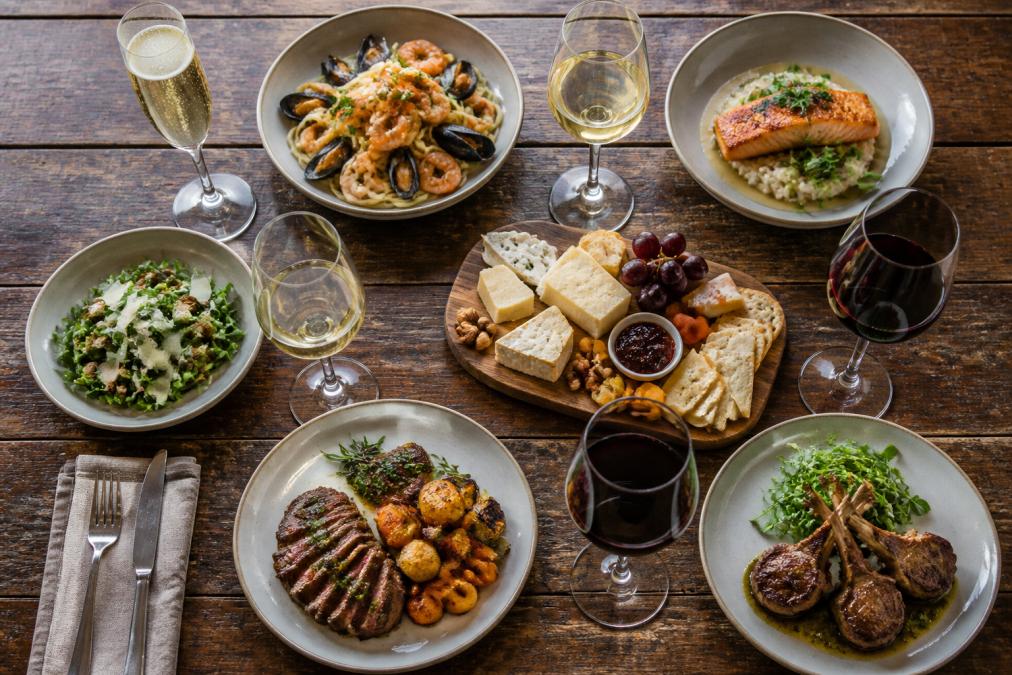
A wine and food pairing chart is simply a structural shortcut: it maps dish weight and flavour intensity to the wine style that matches. Use the table below as a starting point, then adjust for your own palate.
| Course or Dish | Wine Style | Why It Works |
|---|---|---|
| Oysters, prawns, sashimi | Sparkling or crisp dry white | Acidity and bubbles cut saltiness and fat |
| Grilled chicken, pork | Light to medium white or rosé | Matches weight without overpowering |
| Creamy pasta, risotto | Oaked white | Texture meets texture; acid resets the palate |
| Grilled or roast red meat | Full-bodied red | Tannin binds to protein and fat |
| Slow-cooked braises | Full-bodied red, decanted | Softens tannin, matches intensity |
| Aged hard cheese | Sparkling or tannic red | Salt and fat balance acid and grip |
| Fruit-based desserts | Off-dry sparkling or rosé | Sweetness meets sweetness |
Wine Pairing Rules for Beginners: Five That Actually Work
Wine pairing rules for beginners should be few and reliable. These five cover most meals you will cook at home.
- Match weight to weight. Light dish, light wine. Heavy dish, heavy wine.
- Acid loves fat. Reach for a high-acid white with anything fried or creamy.
- Sweet tames heat. Off-dry beats bone-dry against chilli and spice.
- Tannin needs protein. Save bold reds for red meat and aged cheese.
- What grows together goes together. Regional dishes and regional varieties tend to align.
Pairing Wine with Spicy Food Without Losing the Wine
Most pairing guides wave at chilli and move on. The problem is that "spicy" is not one flavour, it is at least four, and each one breaks a wine in a different way. Get the mechanism right and you can pair confidently with a Thai green curry, a Sichuan mapo tofu or a Korean gochujang braise without reaching for the same off-dry riesling every time.
Why Heat, Aroma, Salt and Umami Pull Wine in Different Directions
Capsaicin, the compound behind chilli heat, amplifies the perception of alcohol, tannin and bitterness. That is why a high-alcohol, heavily oaked red next to a hot dish tastes harsh and hollow. The wine is not faulty, the match is.
A Decision Framework for Four Cuisine Families
Thai and Vietnamese (aromatic heat, fish sauce, lime). Reach for off-dry riesling, Gewürztraminer or a fruity rosé. The residual sugar tames chilli; the aromatics stand up to lemongrass and ginger; the acidity cuts the fish sauce. Avoid oaked Chardonnay, the oak reads as bitter against lime.
The Three Rules That Cover All Four
- Lower the alcohol. Above roughly 13.5% ABV, heat reads as harsh. Below it, the same dish tastes rounder.
- Keep a touch of sweetness. Off-dry beats bone-dry against chilli every time.
- Drop the tannin. Tannin plus capsaicin equals bitterness. Save bold reds for the unspiced parts of the meal.
A dry rosé with strawberry aromas, such as our Florial, sits comfortably beside a spiced prawn dish because its crisp, dry finish clears the palate without adding heat. For a Sichuan or Korean dish, a slightly sweet sparkling wine does the same job with more lift.

Dietary-Specific and Budget-Friendly Pairing Options
Most pairing guides assume a plate of meat or fish. That leaves plant-based, gluten-free and budget-conscious cooks without a framework. The good news is that the same structural logic applies, you just have to know which element is doing the work.
Plant-Based and Vegan Pairing: Match the Fat, Not the Protein
The reason tannic reds struggle with vegetables is not the vegetable, it is the absence of fat and protein to soften the tannin. A lentil daal, a mushroom risotto and a roast cauliflower steak all behave differently because their fat content differs, not because they are plant-based.
Gluten-Free, Dairy-Free and Low-FODMAP
For these diets, the wine itself is rarely the problem, the sauce is. Match the wine to the dominant sauce, not the protein or the base ingredient. A gluten-free pasta in a tomato sauce pairs like any tomato dish; the same pasta in a cream sauce pairs like a creamy dish. The dietary label does not change the structural logic.
Budget-Friendly Pairing: Structure Per Dollar
- Buy for acidity first. High-acid whites are the most versatile food wines and are rarely expensive. A crisp dry white handles fried food, creamy food, seafood and most plant dishes.
- Buy one versatile red, not three specialist ones. A soft, medium-bodied red with low tannin covers roast chicken, pork, mushroom dishes and most plant-based mains. You do not need a separate bottle for each.
- Sparkling is the cheapest multi-tool. A dry sparkling wine handles oysters, fried food, salty snacks, celebrations and, with a touch of sweetness, spicy dishes. One bottle, many jobs.
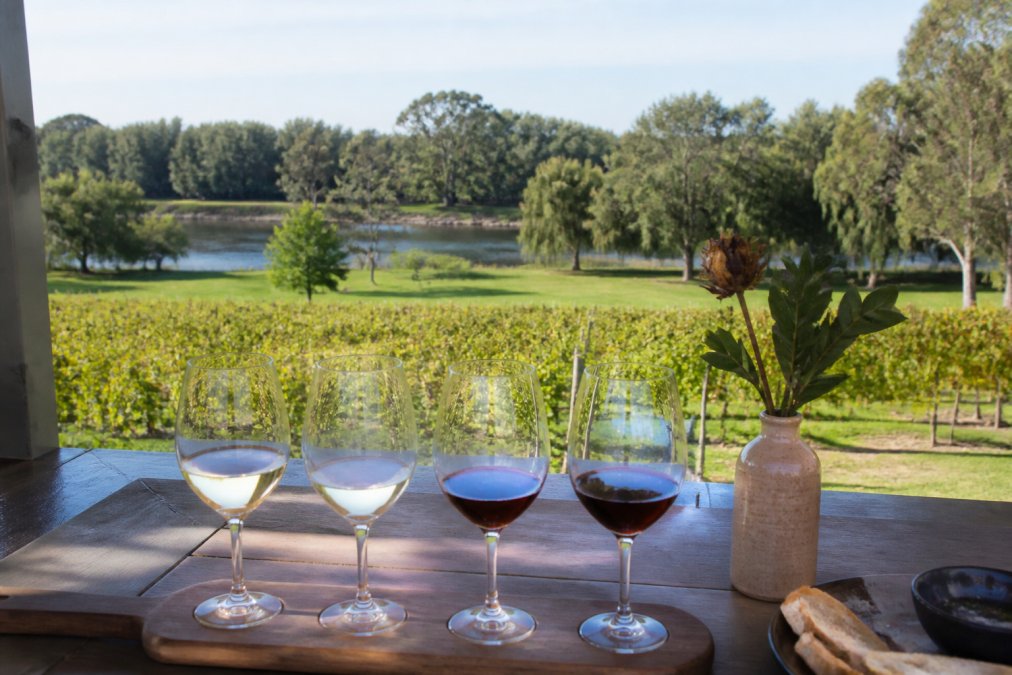
A note on our own tastings: our cellar door seats tasting groups of no more than 8-10 guests at a time, so you can work through a flight with proper attention rather than shouting over a crowd.
Common Pairing Mistakes to Avoid
Most pairing mistakes trace back to ignoring structure. The four below cause the most damage.
- Pairing by colour alone. Red meat does not automatically need red wine. A rich fish dish can want a light red.
- Serving too warm or too cold. Warm reds taste flabby and alcoholic; over-chilled whites lose their aroma.
- Skipping the decant. Young, tannic reds benefit from thirty minutes of air before a braise.
- Ignoring the sauce. Sauce decides the pairing more often than the protein does.
Frequently Asked Questions
What is the method for pairing wine with food?
Start by matching the weight of the wine to the weight of the dish: light-bodied wines like a crisp rosé or unoaked white with salads and seafood, fuller-bodied reds with red meat and rich sauces. Then balance acidity, sweetness and tannin against the food's fat, salt and heat. A wine and food pairing chart can shortcut this process until the logic becomes second nature.
How do acidity and tannins influence food and wine pairings?
Acidity cuts through fat and cleanses the palate, which is why a high-acid white works so well with fried or creamy dishes. Tannins bind to protein and fat, softening the wine's grip, so a tannic red like Shiraz suits a steak but clashes with delicate fish. Getting these two elements right matters more than matching colours.
What foods should never be paired with wine?
Few pairings are truly forbidden, but some are difficult. Vinegar-heavy dressings, plain artichokes, asparagus and very spicy dishes can make dry wines taste metallic or harsh. The fix is usually a wine with higher acidity, a touch of sweetness or lower alcohol rather than avoiding the food altogether.
How does the intensity of a dish affect wine selection?
A delicate dish needs a delicate wine, and a bold dish needs a bold one. If the food overpowers the wine, the wine disappears; if the wine overpowers the food, the dish tastes flat. Match intensity first, then fine-tune with acidity and tannin. This single rule solves most beginner pairing problems.
Pairing wine with food rewards a little structure and a willingness to taste as you go. At Little River Winery, our cellar door tastings are capped at 8-10 guests, and our range covers the whole table: the soft, full-flavoured Chardonnay 2020 for white, the crisp, dry Florial for rosé, the Old Vines Shiraz 2022 for red, and the Brut de Brut for anything worth celebrating. Get started with Little River Winery and build a mixed case that matches your menu.