 ultimate-guide
Swan Valley Wine Tasting Guide 2026: Cellar Doors & Tours
Table of Contents
- Why the Swan Valley Is Western Australia's Most Accessible Wine Region
- Swan Valley Wine Tour Itinerary: A Full Day of Tastings
- Swan Valley Cellar Door Etiquette: What to Know Before You Go
- How to Book Wine Tastings in the Swan Valley
- Getting Around: Transport Logistics for Swan Valley Wine Tasting
- Budget-Conscious and Accessible Ways to Enjoy Swan Valley Wine
- Sustainable and Organic Viticulture in the Swan Valley
- Frequently Asked Questions
Last Updated: September 16, 2026
Why the Swan Valley Is Western Australia's Most Accessible Wine Region
The Swan Valley is the closest wine region to Perth, making it the only major wine destination in the country you can reach by rideshare, train, or a short drive without booking a room for the night. This swan valley wine tasting guide 2026 covers cellar doors, itineraries, etiquette, and transport so you can plan a full day without guesswork.
Tourism Western Australia's Swan Valley region guide
Swan Valley Wine Tour Itinerary: A Full Day of Tastings
A well-paced Swan Valley wine tour itinerary runs from mid-morning to late afternoon and stops at four to five venues, not eight. Build the day around two tasting blocks with a long lunch between them: sparkling and whites while your palate is fresh, reds and fortifieds after food, and artisan produce rather than another cellar door.

Morning: Sparkling and White Varietals
Book your first tasting for 10:30am or 11am, when cellar doors are quietest and staff have time to walk you through tasting notes properly.
- 10:30am, first tasting, sparkling and dry whites
- 11:30am, short drive to a second cellar door, focus on aromatic whites and rosé
- 12:30pm, lunch sitting, ideally booked before you left home
Afternoon: Reds, Fortifieds, and Artisan Produce
After a proper lunch, your palate is reset for reds. Old-vine Shiraz is the region's benchmark red style, and the warm climate gives it generous fruit without heavy oak. Chenin Blanc reappears here in dry and sparkling forms, a useful thread to follow across the day.
A workable afternoon:
- 2:00pm, first red-focused tasting
- 3:15pm, artisan produce stop, cheese or chocolate
- 4:00pm, final tasting, fortifieds and a last look at the wine list
- 5:00pm, depart, or stay for a glass if someone else is driving
A Half-Day Version for Shorter Visits
If you are fitting the region into an afternoon, cut the itinerary to three stops and skip the produce detour. Start at 1pm, do two cellar doors with a shared tasting plate between them, and finish by 4:30pm. You will still taste the core styles, sparkling, Chenin Blanc, rosé, and Shiraz, without the rushed feeling of covering the whole valley in one go.
Swan Valley Cellar Door Etiquette: What to Know Before You Go
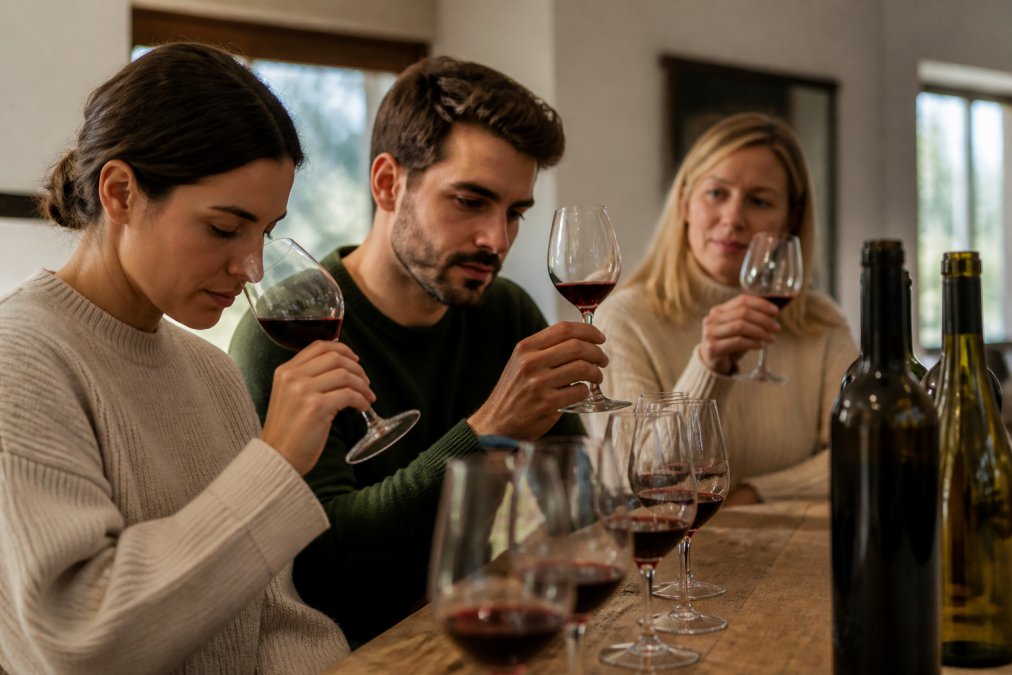
Swan Valley cellar door etiquette comes down to three things: book ahead, taste rather than drink, and engage with the person pouring. Staff are there to guide you through tasting notes and varietals, not to act as bartenders.
- Spit or tip what you do not finish, especially by the third venue
- Ask before taking photos inside the tasting room
- Never bring your own food or drinks onto the premises
- Eat something substantial before your first tasting
- Keep groups to the venue's stated cap
Australian Grape & Wine industry guidance for cellar doors
How to Book Wine Tastings in the Swan Valley
Booking a tasting takes about ten minutes per venue. Most cellar doors accept walk-ins for small groups, but anything above six people should be booked.
Group Bookings and Private Tastings
Group bookings need more lead time than most people allow. A week is usually enough for a standard group tasting; private tastings and seated formats need longer.
Getting Around: Transport Logistics for Swan Valley Wine Tasting
Transport logistics decide whether your day works. If you are tasting, you are not driving, and the region's spread-out layout makes that a real planning problem.
Your options break down like this:
| Option | Best For | Watch Out For |
|---|---|---|
| Rideshare or taxi | Couples, two to three stops | Patchy coverage at outer cellar doors |
| Private driver or charter | Groups of four or more | Needs booking well ahead |
| Organised wine tour | First-time visitors | Fixed itinerary, less flexibility |
| Public transport | Getting to the region only | Does not reach most cellar doors |
Department of Transport road safety guidance on drink driving
Budget-Conscious and Accessible Ways to Enjoy Swan Valley Wine
A self-guided day can cost far less than a packaged tour and gives you control over pace. Skip the fixed itinerary, use rideshare between two or three venues, and put your money into bottles rather than transport markup. The trade-off: you lose the guide's commentary and need to be disciplined about spitting rather than finishing every pour.
Keeping the Day Affordable Without Cutting the Experience
The biggest savings come from three decisions:
- Share tastings where venues allow it. Many cellar doors will pour one tasting flight for two people to share, which halves the tasting cost without halving the experience.
- Ask about fee redemption. A common pattern is for venues to waive or credit the tasting fee against a bottle purchase. Ask before you taste, not after.
- Eat one proper meal, not three snack stops. A booked lunch is usually better value than grazing across four produce stops, and it resets your palate for the afternoon reds.
- Travel mid-week. Weekday tastings are quieter, staff have more time, and some venues run mid-week specials that weekend visitors never see.
Comparing a self-guided day against an organised tour: the tour wins on convenience, the self-guided day wins on flexibility and bottle spend. Neither is automatically cheaper once you factor in rideshare between outer cellar doors.
Accessibility and Mobility: What to Ask Before You Book
Accessibility is where most guides fall silent, and it is the biggest planning gap in the region. Cellar doors vary widely in how they are built, and a venue that looks accessible from the car park may still have a step into the tasting room or a gravel path to the toilets.
Before booking, ask each venue directly about:
- Step-free entry to the tasting room and toilets
- Seating available during the tasting, and whether it is at the bar or at a table
- Parking distance from the door, and whether the surface is sealed or gravel
- Whether staff can bring the tasting to you if the tasting room itself is not accessible
- Whether the venue can accommodate a wheelchair, walker, or pram inside the tasting space
Sensory-Friendly and Low-Alcohol Options
Not every visitor wants a full tasting flight. A growing number of cellar doors offer low-alcohol or alcohol-free options, and most will pour a smaller flight if you ask. If you are sensitive to noise or crowds, aim for the first tasting slot of the day, when the room is quietest. Off-peak visits deliver the best value on every front: weekdays outside school holidays mean quieter tasting rooms, more staff attention, easier parking, and a better chance of a seated tasting rather than standing at the bar.
Sustainable and Organic Viticulture in the Swan Valley
Sustainable viticulture in the Swan Valley centres on water, soil health, and reducing chemical inputs in a warm, dry climate. Growers who farm this way are not chasing a label; they are managing the conditions the region presents.
- Drip irrigation and soil moisture monitoring to cut water use
- Cover cropping and compost to build soil biology
- Minimal-intervention fermentation that lets terroir show through
- Integrated pest management instead of blanket spraying
Frequently Asked Questions
What is the best time of year to visit the Swan Valley for wine tasting?
The Swan Valley is a year-round destination, but each season offers a different tasting experience. Summer (December to February) brings warm weather and crisp white varietals like Chenin Blanc and Verdelho. Autumn (March to May) is harvest season, when many cellar doors offer vintage releases and vineyard tours. Winter is quieter with more intimate tastings, while spring brings wildflowers and fresh releases. For fewer crowds and more personal attention, visit mid-week during off-peak months.
Do I need to book wine tastings in advance for 2026?
For small groups of two to four, many cellar doors accept walk-ins, but booking ahead is recommended for weekends and public holidays. Larger groups, private tastings, and guided tours almost always require advance reservations. When you book wine tastings, confirm the group size limit. Some venues, including Little River Winery, cap cellar door tastings at 8 to 10 guests to keep the experience personal and unhurried.
Are there family-friendly wineries in the Swan Valley?
Several Swan Valley venues welcome families and offer non-alcoholic options, picnic areas, and space for children to move around. Artisan produce stops, chocolate shops, and cafés along the wine trail also make good breaks for younger visitors. Check individual cellar door policies before arriving, as some tasting rooms are adults-only. Planning a mixed-age group itinerary that alternates wine stops with food and outdoor breaks works well.
How do I get around the Swan Valley for wine tasting?
The Swan Valley is about 25 minutes from Perth by car, and self-driving is the most flexible option, though you will need a designated driver. Alternative transport includes guided wine tours with pickup from Perth, private hire vehicles, and ride-share services, though availability can be limited in outer areas. Cycling is popular on the warmer months. Whichever option you choose, plan your route in advance and allow extra time between stops.
What are the must-try wine varieties in the Swan Valley?
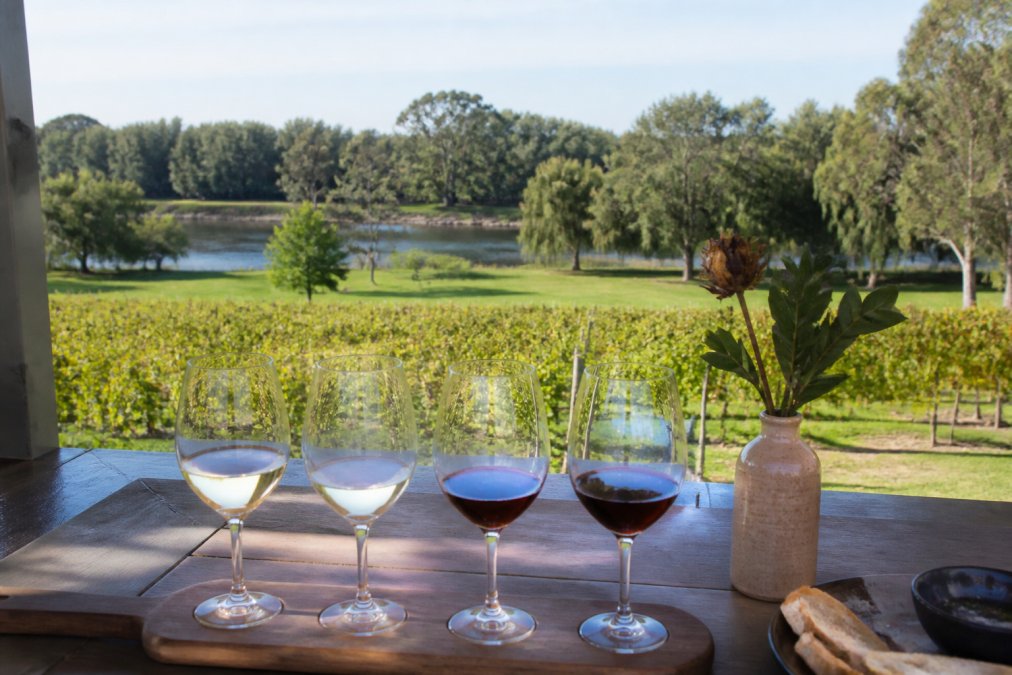
The region is best known for Chenin Blanc, Verdelho, Shiraz, and fortified wines. Chenin Blanc produces crisp, fruit-driven whites, while Shiraz from old vines delivers rich, spicy reds. Sparkling wines made in the traditional method, such as Brut de Brut from Chardonnay and Chenin Blanc, are also a regional highlight. Many cellar doors offer a wine flight so you can compare several varietals side by side and take tasting notes.
What should I expect at a cellar door tasting?
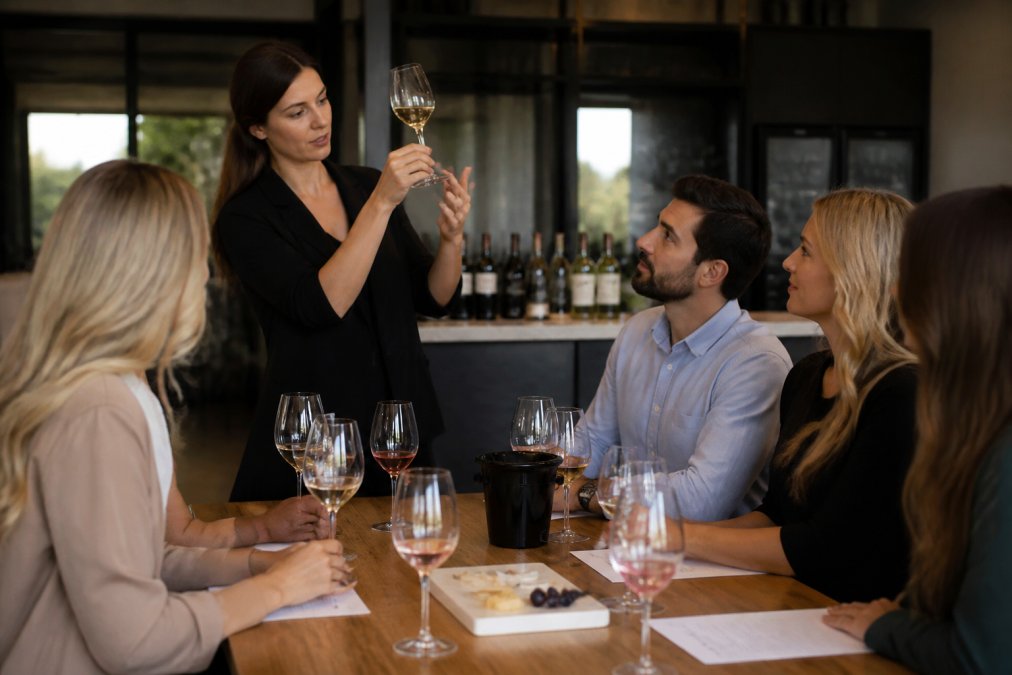
A typical cellar door tasting includes a guided flight of five to eight wines, poured in sequence from sparkling and whites through to reds and fortifieds. Staff will talk through tasting notes, vintage conditions, and food pairing suggestions. Tastings usually last 30 to 60 minutes. It is good etiquette to book ahead for groups, avoid strong perfume, and spit rather than swallow if you plan to visit several venues in one day.
Can I buy wine to take home after a tasting?
Yes, most cellar doors sell bottles directly, often including limited-release or cellar-door-only wines not available elsewhere. Buying a mixed case is a common way to take home a range of styles. If you are flying, check luggage allowances and consider shipping options. Many venues also offer full-case pricing, so ask about mixed-case rates when you purchase.
Is the Swan Valley suitable for a self-guided wine tasting day?
Absolutely. The Swan Valley wine trail is compact and well signposted, making it easy to plan a self-guided itinerary. Map out four to five cellar doors, book any larger group tastings in advance, and build in food stops. A self-guided approach gives you flexibility and can be more budget-friendly than a packaged tour, though you will need a designated driver or pre-arranged transport.