 ultimate-guide
Why Premium Wines Cost More: The Full Breakdown
Table of Contents
- The Real Cost of Premium Wine Production
- How Vineyard Location and Terroir Drive Premium Wine Prices
- Factors Affecting Wine Quality and Cost
- How Long Does Premium Australian Wine Age and Why That Matters
- Brand Reputation, Prestige Pricing and Market Demand
- Is Expensive Wine Worth It? Understanding Value vs Price
- Conclusion: What You're Actually Paying For
Last Updated: August 29, 2026
The Real Cost of Premium Wine Production
Premium wines cost more because they demand significantly higher investment across every stage: from vineyard management and hand-harvested grapes to extended aging in oak barrels and careful distribution. Not all of that premium reflects genuine quality improvements; some reflects brand prestige, marketing spend, and "Veblen Good" pricing, where higher cost itself becomes part of the appeal.
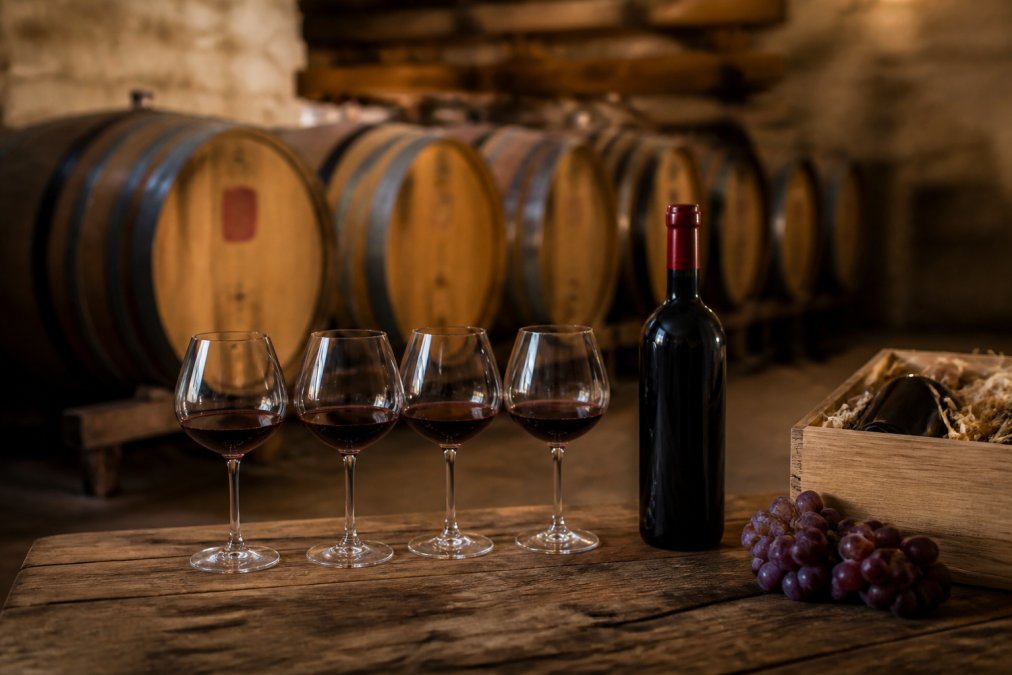
At Little River Winery, we've spent years crafting wines that justify their price through measurable quality markers: careful viticulture decisions, extended aging capacity, and the distinct terroir of our vineyard. Hand-harvesting instead of mechanical picking, selective yield management, and barrel fermentation rather than tank fermentation each increase production costs. A premium red wine might spend 18 to 24 months in oak aging, tying up capital and warehouse space, while a budget wine spends weeks in stainless steel.
How Vineyard Location and Terroir Drive Premium Wine Prices
Terroir, the complete natural environment of a vineyard, including soil composition, micro-climate, and topography, creates the foundation for premium pricing. Wines from prestigious appellations command higher prices because the vineyard location itself is scarce and proven to produce superior fruit.
Not all land produces equally excellent wine. A vineyard in a cool-climate region with specific soil minerals and afternoon sun exposure will grow grapes with different tannin structure, acidity, and complexity than one in a warmer, flatter location. This geographical advantage is permanent and non-replicable. Premium viticulture also demands location-specific decisions: in cooler regions, managers might delay harvest to maximize ripeness; in warmer areas, they harvest earlier to preserve acidity. Both strategies require deep knowledge of that specific micro-climate.
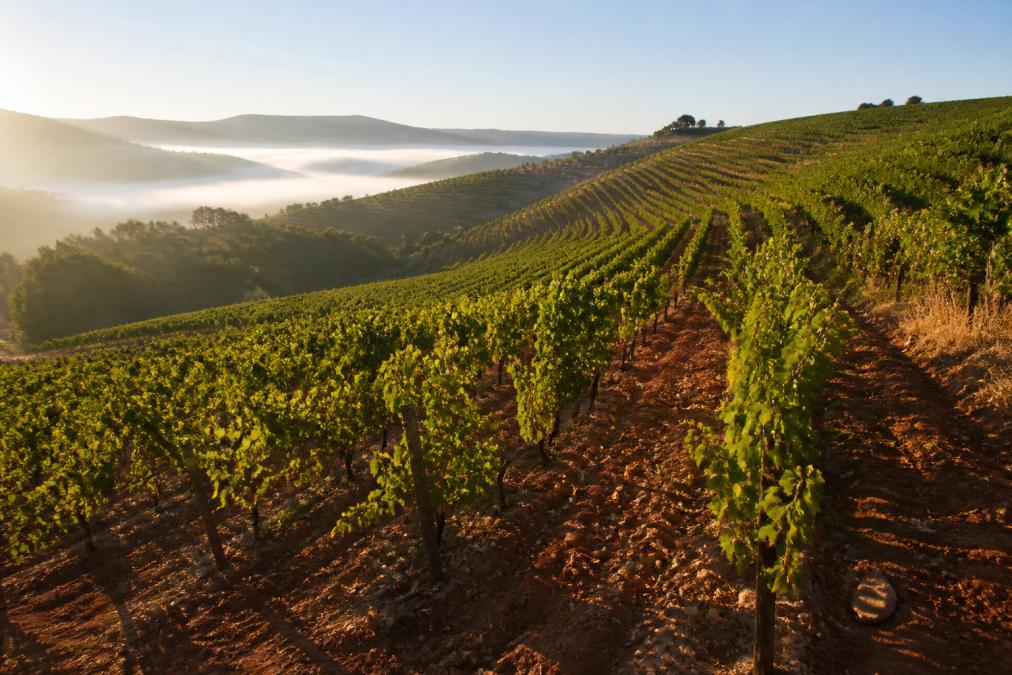
Research consistently shows that wines from established, cooler-climate regions with proven track records command premiums that reflect genuine quality differences (peer-reviewed research). A wine from a prestigious region with challenging growing conditions demonstrates that the winemaker successfully navigated complexity, justifying higher pricing.
Factors Affecting Wine Quality and Cost
Premium wines cost more because quality itself is expensive to produce. Grape quality and selection represents the first major cost difference. Premium producers use selective harvesting, picking only fruit at optimal ripeness and discarding damaged berries. Hand-harvesting ensures that only the best fruit enters production, directly affecting the final wine's flavour profile and aging potential.
Winemaking techniques and labour create the next significant cost layer. Oak aging is expensive; a new French oak barrel costs considerably more than a stainless steel tank and can only be used for a limited number of vintages. Premium wines often use multiple barrel types to layer complexity. Barrel fermentation rather than tank fermentation requires more monitoring, handling, and careful temperature management.
Supply and demand economics also influence pricing. Limited production runs mean fixed costs are spread across fewer bottles. A winery producing 5,000 cases annually has higher per-bottle overhead than one producing 50,000 cases.
How Long Does Premium Australian Wine Age and Why That Matters
Premium Australian reds can develop for 15 to 40+ years, depending on vintage, varietal, and production decisions (peer-reviewed research). This aging capacity directly justifies premium pricing because it creates value that doesn't exist in younger wines.
Wines designed to age develop complexity over time as tannins soften, flavours integrate, and secondary notes emerge. This transformation only occurs if the wine was built with the right structure from the beginning: sufficient tannin, acidity, and extract to support decades of bottle development. Building a wine for long-term aging requires selecting grape varieties with natural structure, managing tannin extraction carefully, and bottling at the right point.
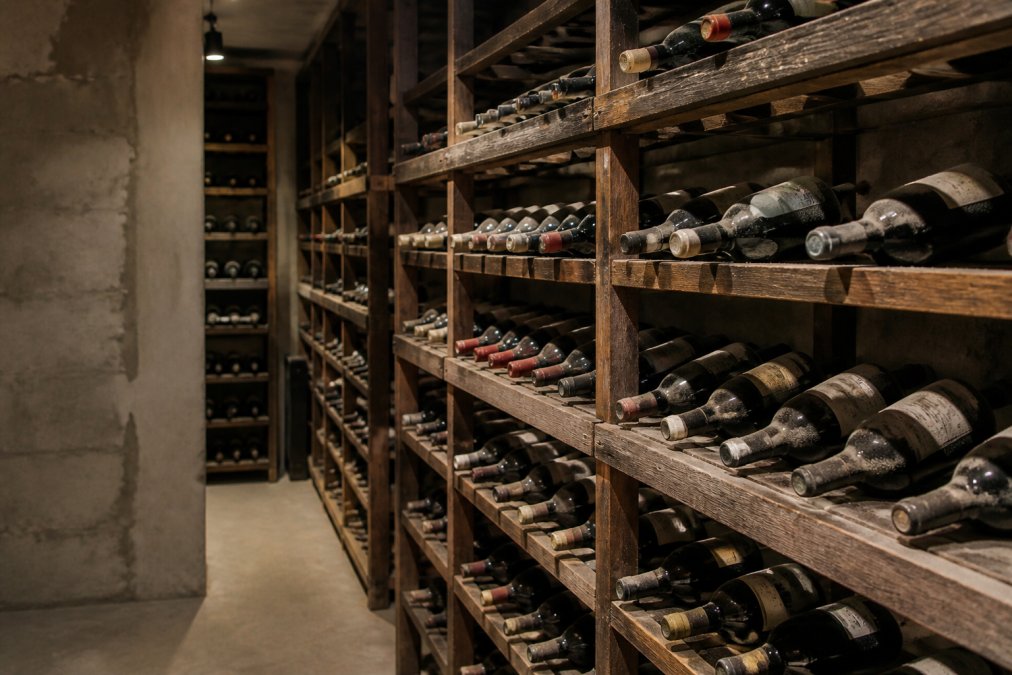
The economics of aging are embedded in production costs. Wineries that produce wines meant for cellaring must finance longer inventory holding periods. A wine that spends two years in barrel and then sits in bottle for another three years before release ties up capital for five years before generating revenue (sba.gov). Premium Australian wines, particularly from established regions with cool-climate conditions, often develop drinking windows that extend 10 to 30 years from vintage, a genuine quality marker that justifies higher initial pricing.
Brand Reputation, Prestige Pricing and Market Demand
Premium wines cost more partly because of prestige pricing, where higher cost itself signals quality and exclusivity. Brand reputation compounds this effect; a winery with decades of consistent quality and critical recognition can charge premium prices because buyers believe they're getting proven excellence.
The secondary market for wine amplifies prestige pricing. Collectors buy premium wines not just to drink but to hold as investments. If a wine has a history of appreciating in value, demand increases, pushing prices higher. Limited production runs also drive prestige pricing; when a winery produces only a few thousand bottles, scarcity creates urgency and pushes prices upward.
Distribution markups also contribute to premium pricing. Wines sold through exclusive channels, fine dining establishments, specialist retailers, direct-to-consumer cellar door sales, carry higher margins than supermarket wines. A wine that costs $20 to produce and distribute through mass retail might retail for $35; that same wine sold exclusively through fine dining venues might retail for $60.
Little River Winery maintains selective distribution and cellar door focus specifically to preserve brand positioning and ensure our wines reach consumers who value quality over convenience. Our Shiraz 2022 and Mistelle Rouge 20Yo Tawny are available through limited channels, which protects their prestige positioning.

Is Expensive Wine Worth It? Understanding Value vs Price
Price and value are not the same thing. A wine might be expensive because of brand prestige, scarcity, or investment potential, none of which relate to how much you'll enjoy drinking it.
For collectors and investors, expensive wines can be worth the premium. A wine with proven aging potential and a track record of appreciation delivers value beyond the drinking experience. For everyday drinking, expensive wines often deliver diminishing returns. A $50 wine is frequently better than a $20 wine, but a $200 wine is rarely ten times better.
The most honest approach to wine value is understanding what you're paying for. If you're buying primarily for drinking quality, focus on production methods, aging duration, grape selection, and winemaking technique. If you're buying for prestige or investment, brand reputation and scarcity matter more. For special occasions, premium wines often deliver value that justifies higher cost through genuine complexity and development.
The critical distinction: premium pricing justified by production methods and proven quality track record is different from premium pricing justified purely by brand hype. Taste wines across price ranges and notice which premium wines you genuinely prefer.
Conclusion: What You're Actually Paying For
Premium wines cost more because they demand genuine investment across production, aging, and distribution. Hand-harvested grapes, extended barrel aging, careful terroir management, and limited production runs all increase costs reflected in the final price. Some premium also reflects brand reputation and investment demand, factors that create real market value beyond production costs.
At Little River Winery, we believe premium pricing should reflect genuine quality investment. Our Brut de Brut sparkling wine ($16.00 as a mix case or $180.00 as a full case only) represents exceptional value because we've invested in traditional Méthode Familiale production. Our Shiraz 2022 and Mistelle fortified wines command premium pricing because they deliver the complexity, aging capacity, and distinctive terroir character that justify their cost.
The question isn't whether expensive wine is worth it, but whether this particular expensive wine is worth it for your purposes. Ask about production methods. Taste before committing to larger purchases. Compare across producers at similar price points. The most expensive wine isn't necessarily the best wine; understanding these cost drivers helps you distinguish between price and value and discover which premium wines align with your preferences and budget.
== FAQ ANSWERS (audit these too, same rules) ==
[1] Q: What factors contribute most to the price of a premium bottle of wine? A: Premium wine pricing reflects several interconnected factors. Production costs, hand-harvesting, barrel fermentation, and oak aging, add significantly to the final price. Vineyard location and terroir affect grape quality and yield. Rarity and limited production runs command higher prices due to scarcity. Brand reputation and prestige pricing allow established wineries to charge premiums. Distribution markups and taxes also contribute. At Little River Winery, our premium wines like the Mistelle Rouge 20Yo Tawny ($40.00) reflect careful viticulture, extended aging in quality oak, and the complexity that cellaring potential demands.

[2] Q: Does a higher price tag always guarantee better wine quality? A: Not necessarily. Price reflects both intrinsic value (production costs, aging, terroir) and extrinsic factors (brand equity, prestige pricing, market demand). A wine can be expensive due to scarcity or brand reputation rather than superior taste. Conversely, well-made wines from emerging regions or smaller producers may offer excellent quality at lower prices. The key is understanding what you're paying for, whether it's genuine complexity and cellaring potential, or primarily brand prestige. Tasting notes and producer reputation help distinguish genuine quality from marketing markup.
[3] Q: How long does premium Australian wine age and does that affect the price? A: Premium Australian wines vary widely in cellaring potential. Structured reds like Shiraz can age 10-20+ years, developing complexity and mouthfeel over time. Fortified wines like our Mistelle Rouge 20Yo Tawny have already undergone two decades of aging before release, commanding $40.00 due to that extended maturation. Extended aging requires proper storage infrastructure, capital tied up in inventory, and risk management. Wines with greater drinking windows and aging capacity justify higher prices because they offer long-term investment value and the potential for flavour development that justifies the cost of cellaring.
[4] Q: What makes premium wines genuinely worth the extra cost? A: Premium wines deliver value through superior terroir expression, careful vinification, and complexity that rewards ageing. Hand-harvested grapes, barrel fermentation, and extended oak aging create depth of flavour and tannin structure you won't find in mass-produced alternatives. Limited production runs ensure consistency and rarity. If you appreciate nuanced flavours, enjoy cellaring potential, or seek wines for special occasions, the investment reflects genuine quality differences. However, if you prefer approachable, fruit-forward wines for everyday drinking, premium pricing may exceed your needs. Our range, from the accessible Brut de Brut ($16.00) to the complex Mistelle Blanche ($35.00), offers quality at multiple price points.
Frequently Asked Questions
What factors contribute most to the price of a premium bottle of wine?
Premium wine pricing reflects several interconnected factors. Production costs, hand-harvesting, barrel fermentation, and oak aging, add significantly to the final price. Vineyard location and terroir affect grape quality and yield. Rarity and limited production runs command higher prices due to scarcity. Brand reputation and prestige pricing allow established wineries to charge premiums. Distribution markups and taxes also contribute. At Little River Winery, our premium wines like the Mistelle Rouge 20Yo Tawny ($40.00) reflect careful viticulture, extended aging in quality oak, and the complexity that cellaring potential demands.
Does a higher price tag always guarantee better wine quality?
Not necessarily. Price reflects both intrinsic value (production costs, aging, terroir) and extrinsic factors (brand equity, prestige pricing, market demand). A wine can be expensive due to scarcity or brand reputation rather than superior taste. Conversely, well-made wines from emerging regions or smaller producers may offer excellent quality at lower prices. The key is understanding what you're paying for, whether it's genuine complexity and cellaring potential, or primarily brand prestige. Tasting notes and producer reputation help distinguish genuine quality from marketing markup.
How long does premium Australian wine age and does that affect the price?
Premium Australian wines vary widely in cellaring potential. Structured reds like Shiraz can age 10-20+ years, developing complexity and mouthfeel over time. Fortified wines like our Mistelle Rouge 20Yo Tawny have already undergone two decades of aging before release, commanding $40.00 due to that extended maturation. Extended aging requires proper storage infrastructure, capital tied up in inventory, and risk management. Wines with greater drinking windows and aging capacity justify higher prices because they offer long-term investment value and the potential for flavour development that justifies the cost of cellaring.
What makes premium wines genuinely worth the extra cost?
Premium wines deliver value through superior terroir expression, careful vinification, and complexity that rewards ageing. Hand-harvested grapes, barrel fermentation, and extended oak aging create depth of flavour and tannin structure you won't find in mass-produced alternatives. Limited production runs ensure consistency and rarity. If you appreciate nuanced flavours, enjoy cellaring potential, or seek wines for special occasions, the investment reflects genuine quality differences. However, if you prefer approachable, fruit-forward wines for everyday drinking, premium pricing may exceed your needs. Our range, from the accessible Brut de Brut ($16.00) to the complex Mistelle Blanche ($35.00), offers quality at multiple price points.
This article was written using GrandRanker