 blog
blog
Buy Premium Sparkling Wine Online: A 2026 Guide
Table of Contents
- Why Buy Premium Sparkling Wine Online
- Sparkling Wine Styles: Prosecco, Brut, Cuvée and More
- How Long Does Premium Australian Wine Age?
- The Sparkling Wine Food Pairing Guide
- How to Store Sparkling Wine After Delivery
- Choosing the Right Bottle for Every Occasion
- Fast Delivery and Secure Checkout When You Buy Premium Sparkling Wine Online
- Conclusion
- Frequently Asked Questions
Last Updated: September 12, 2026
Why Buy Premium Sparkling Wine Online
Buying premium sparkling wine online unlocks a winery's full range, including limited vintages and cellar-door-only bottles that never reach retail shelves. At Little River Winery, customers who once drove to the cellar door now build their celebrations around a delivery arriving at the front door.
The appeal isn't just convenience, it's range. A bottle shop stocks what sells quickly, usually the same handful of big-name labels. Buying direct opens up traditional-method styles, cool-climate fruit and small-batch cuvées a retailer has no reason to carry.
Most guides get this wrong: online wine buying isn't a price hunt, it's a curation exercise. The question isn't "where is it cheapest" but "who can I trust to send me something worth opening."
Below, we'll cover the styles worth knowing, how long premium sparkling ages, what to pair it with, how to store it, and how to match a bottle to the occasion.
Sparkling Wine Styles: Prosecco, Brut, Cuvée and More
Two things determine what's in your glass: how it was made and how sweet it is. Those variables explain almost every difference you'll taste.
Prosecco is a sparkling wine from northern Italy made using the tank method (Charmat), where second fermentation happens in a pressurised tank rather than the bottle. The result is fresh, fruit-forward bubbles, green apple, pear, white flowers, at a softer price point. Brut is a dry style with very low residual sugar, the benchmark for serious sparkling. Cuvée refers to a blend, often of several varieties or vintages, usually the producer's flagship.
Traditional Method vs. Tank Method
Traditional method sparkling, used in Champagne and Australia's best cool-climate sparkling, ferments a second time in the bottle, producing the fine, persistent bead and bready, toasted, almond-like notes. Time on lees (spent yeast cells) builds complexity, which is why these bottles cost more: the process takes years, not weeks.
Tank-method wines like Prosecco are made for drinking young and fresh: primary fruit, softer bubbles, accessible price. Neither method is "better", a tank-method wine suits a warm afternoon; a traditional-method wine suits moments calling for weight and savoury depth.
The Sweetness Scale (and Why "Extra Dry" Isn't Dry)
Labels show brut nature, extra brut, brut, extra dry, sec and demi-sec. Confusingly, "extra dry" is often slightly sweeter than "brut", the term dates to when "dry" meant what we'd now call off-dry. For the driest option, look for brut nature or extra brut.
Here's the practical translation:
| Label term | What it actually tastes like | Best for |
|---|---|---|
| Brut nature / extra brut | Bone dry, austere, savoury | Oysters, sashimi, serious aperitif |
| Brut | Dry, balanced, the benchmark | Most food, most guests, most occasions |
| Extra dry | Off-dry, rounded, slightly fruity | Brunch, light canapés, warm weather |
| Sec / demi-sec | Noticeably sweet | Fruit desserts, blue cheese, spicy food |
Buying blind for a mixed group, a brut traditional-method sparkling is the safest single bottle: it works as an aperitif, handles seafood and soft cheese, and satisfies both serious drinkers and those who just want bubbles.
Sparkling Red and Moscato
Sparkling red, often Shiraz or Cabernet, suits rich, savoury food and cold weather, pairing with lamb, cured meat and hard cheese in a way no other sparkling can. Moscato is low in alcohol, gently sweet and built for warm afternoons, spicy food and easy drinking.
How Long Does Premium Australian Wine Age?
Premium Australian sparkling wine typically ages two to five years on lees before release, and a well-made traditional-method bottle can improve for five to ten years in good cellaring (wineaustralia.com). Non-vintage bottles are blended for consistency and ready to drink on purchase.

Vintage sparkling, from a single year's fruit, carries more structure and rewards patience. Non-vintage is designed to taste the same every time, if you're buying for a celebration next month, it's not a compromise but the correct choice.
Storage conditions matter more than the calendar: heat, light and vibration do more damage in a month than three years of quiet cellaring. A cupboard above the fridge is the worst spot; a cool, dark, stable place is the best.
The Sparkling Wine Food Pairing Guide
The principle is simple: match the weight of the wine to the weight of the food. Brut handles oysters, prawns, fried food and soft cheeses; Moscato suits fruit desserts and blue cheese; sparkling red belongs with lamb, cured meat and hard cheese.
Bubbles and acid cut through fat, which is why sparkling works with fried food better than most still whites.
| Style | Best Paired With | Avoid |
|---|---|---|
| Brut traditional method | Oysters, prawns, fried food, brie | Heavy red meat dishes |
| Prosecco | Antipasto, light canapés, fruit | Rich cream sauces |
| Moscato | Fruit desserts, blue cheese, spicy food | Grilled steak |
| Sparkling red | Lamb, cured meats, aged cheddar | Delicate seafood |
A common mistake is serving sparkling only at the start: a dry sparkling carries through an entire seafood course, and a sparkling red can hold its own as the main event.
How to Store Sparkling Wine After Delivery
Keep bottles cool, dark, still and upright until you're ready to chill them. A steady 10-15°C is ideal for anything kept more than a few weeks.
Three things shorten a sparkling wine's life faster than anything else:
- Light, especially direct sun, which breaks down the compounds in the wine
- Heat spikes, like a garage that bakes in summer
- Vibration, which keeps the sediment disturbed and the wine unsettled
If you're drinking within a week, leave it in the box it arrived in, keep it out of the sun, and chill for a few hours before serving.
For longer storage, lay non-sparkling bottles down but keep sparkling upright, the high internal pressure means upright storage preserves the seal.
Once opened, sparkling keeps its fizz about a day with a proper stopper, and stays drinkable but flatter for two or three. A spoon in the neck does nothing and a vacuum stopper very little, only a purpose-made clamping sparkling stopper is worth bothering with.
Choosing the Right Bottle for Every Occasion
Occasion drives the decision more than any tasting note. A wedding for eighty needs a different bottle from a quiet anniversary dinner. Here's the part most guides skip: the maths, the timing, and the one question that settles the choice.
Start With the Question That Actually Matters
Before style, ask: how many people, and how long will the bottle be open? A bottle serves roughly six flutes for a toast, closer to four through a long lunch, that calculation tells you whether you need one bottle or seven cartons.
For a party of eighty, a toast pour each means roughly fourteen bottles, just over one carton. If sparkling is the drink for the whole event, plan two to three glasses per person, or four to five cartons. Order well ahead and confirm dispatch timing.
The Occasion Framework
| Occasion | Best style | Why | Quantity guide |
|---|---|---|---|
| Wedding toast (80 guests) | Non-vintage brut | Reliable, crowd-pleasing, consistent across every bottle | ~14 bottles for one toast pour |
| Wedding reception (80 guests, full service) | Non-vintage brut or extra dry | Handles a long service without fading | 4-5 cartons |
| Anniversary dinner (2-6 people) | Vintage or single-vineyard traditional method | Something worth talking about | 1-2 bottles |
| Picnic or warm afternoon | Moscato or Prosecco | Light, low-alcohol, fruit-forward | 1 bottle per 4-6 people |
| Gift delivery | Vintage traditional method or sparkling red | Presentation and packaging matter as much as the wine | 1 bottle, gift-boxed |
| Brunch | Extra dry or Prosecco | Rounded, slightly fruity, works with eggs and pastry | 1 bottle per 4 people |
The Gift Category Is Different
Gift delivery is its own category: presentation and packaging matter as much as what's inside. Ordering direct usually means proper protective packaging rather than a supermarket box, often with a message included. A vintage traditional-method bottle or sparkling red makes a stronger gift than a non-vintage brut, it signals a specific choice.
When You're Hosting and Unsure
If you're hosting and unsure what guests drink, buy a mixed case rather than twelve of one thing. Same per-bottle cost, more options on the night, and you can open a second style if the first disappears faster than expected.
Fast Delivery and Secure Checkout When You Buy Premium Sparkling Wine Online
When you buy premium sparkling wine online, delivery speed and checkout security decide whether you order again, sparkling is fragile, temperature-sensitive and often bought against a deadline.

Fast delivery isn't a luxury: for a birthday, wedding or last-minute dinner, a slow dispatch is the difference between the right bottle and a supermarket substitute. Australia-wide shipping from a producer who packs sparkling properly means bottles arrive intact, upright and ready to chill.
Secure checkout matters because wine purchases involve both payment and delivery details, a producer handling both through a properly secured store is one you can order from repeatedly without thinking about it.
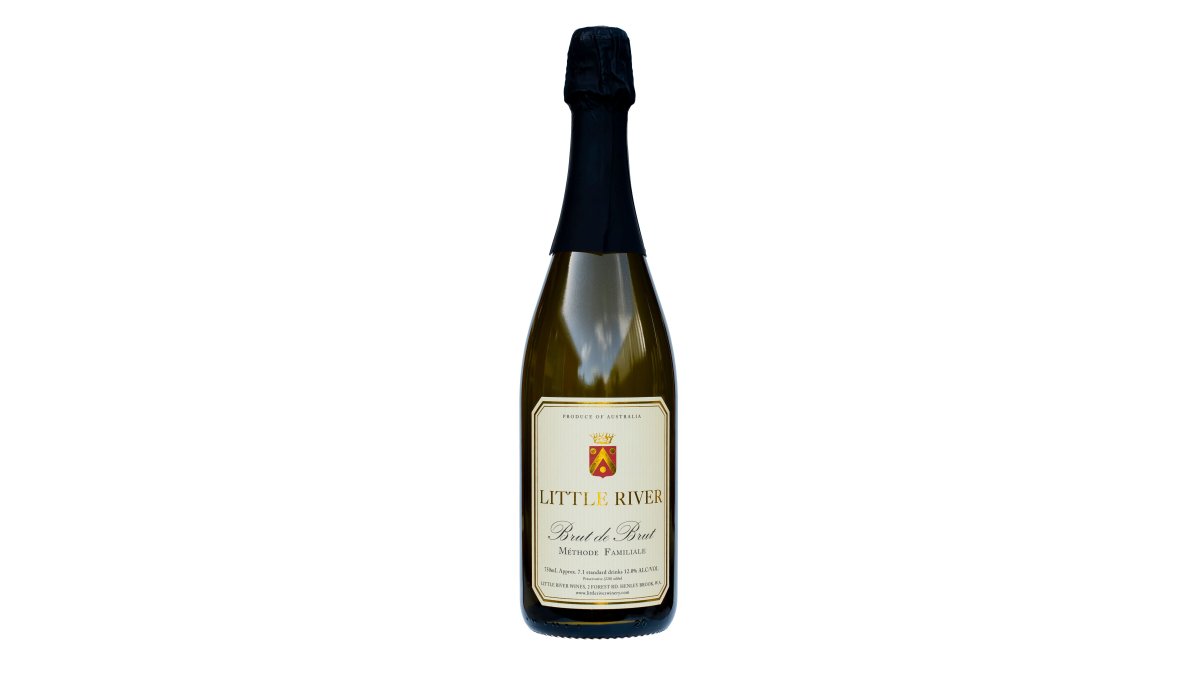
For bulk orders, a full carton is usually better value. Little River Winery's Brut de Brut, our best seller and a consistent Méthode Familiale made from Chardonnay and Chenin Blanc, is available at $16.00 per bottle as a mix case or $180.00 for a full carton of twelve. Order the Brut de Brut as a mixed case or take the full carton for an event.
Conclusion
The hardest part of buying sparkling online isn't finding a bottle, it's committing to one without tasting it first, especially when the occasion matters.
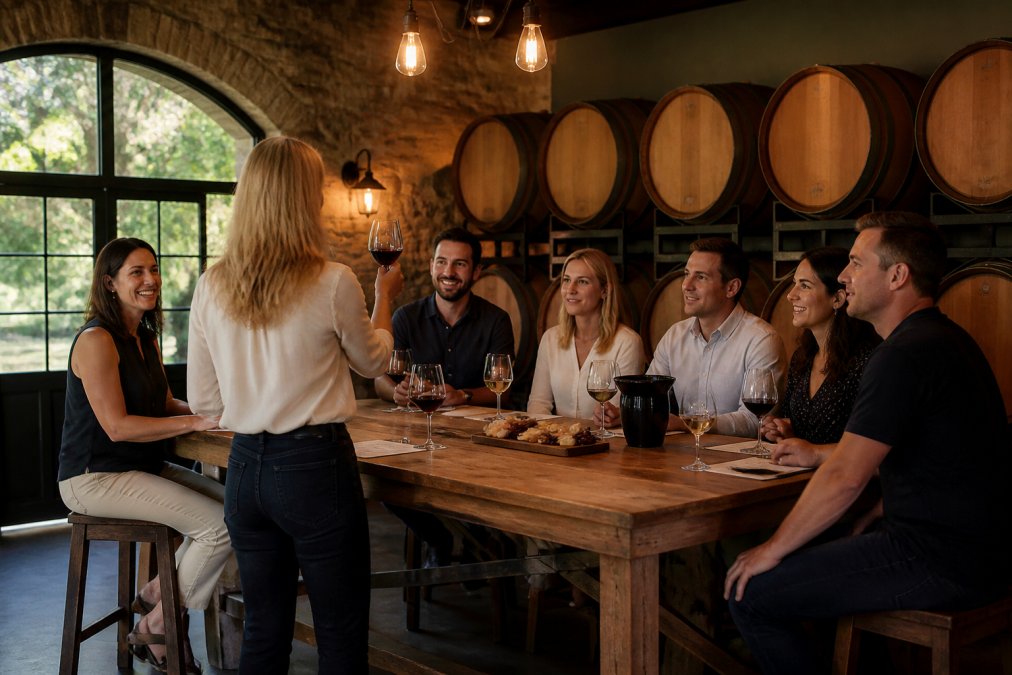
A producer-direct order solves that better than a retailer. Little River Winery makes a curated range of sparkling, white and red wines from our own vineyard, and our Brut de Brut is the bottle we'd hand you at the cellar door: a consistent traditional-method sparkling made from Chardonnay and Chenin Blanc, available by the bottle or full carton, shipped Australia-wide with secure checkout. Cellar door tastings are capped at 8 to 10 guests so every pour gets proper attention.
Get started with Little River Winery and put a bottle you're confident about on the table.
Frequently Asked Questions
What defines a premium sparkling wine?
Premium sparkling wine is judged by how it is made, not just the label. Traditional method wines ferment a second time in the bottle, which builds finer bubbles and more complex tasting notes. Look for named grape varieties such as Chardonnay and Chenin Blanc, consistent house style across vintages, and clear information about the production method. A premium bottle also holds its quality after delivery, so storage and shipping standards matter as much as the wine itself.
How should premium sparkling wine be stored after delivery?
Keep bottles cool, dark, and still. A steady 10-15°C is ideal for anything kept more than a few weeks. Avoid light, heat spikes, and vibration.
How long does premium Australian wine age?
Most premium Australian sparkling wines are made to drink within two to five years of release, while traditional method and vintage-dated bottles can improve for five to ten years or more when stored correctly. Non-vintage styles are blended for consistency and are best enjoyed young. If you are building a collection, keep a mix of non-vintage bottles for everyday drinking and vintage releases for longer cellaring.
What should I look for when buying sparkling wine online?
Check the production method, grape varieties and dosage level before you order, since these decide whether a wine tastes dry, extra dry or sweet. Read tasting notes and customer reviews to understand the house style. Confirm delivery timeframes and secure checkout before committing to a case, and start with a mixed case if you are unsure which style suits your guests. A small first order lets you taste before buying in bulk.