 listicle
Best Boutique Wineries Swan Valley 2026: Top Picks
Table of Contents
- Why Boutique Wineries Swan Valley Stand Out in 2026
- The 2026 Swan Valley Wine Tasting Experiences to Book First
- Little River Winery: A Boutique Cellar Door Benchmark
- Boutique Winery Cellar Door Etiquette for First-Timers
- How to Choose Between a Budget Visit and a Premium Tasting
- Planning Your 2026 Boutique Winery Trail
- Conclusion: Your Next Swan Valley Vintage Awaits
- Frequently Asked Questions
Last Updated: September 9, 2026
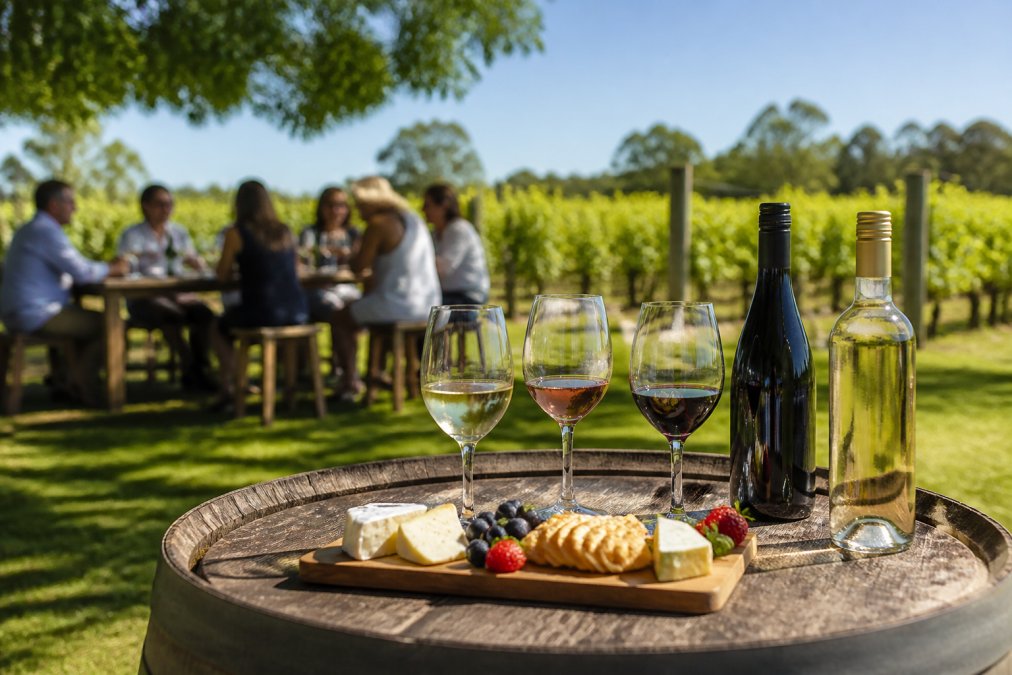
The Swan Valley is one of Australia's oldest wine regions, yet the boutique wineries that define its character in 2026 are anything but dated. For travellers seeking the best boutique wineries Swan Valley 2026 has to offer, the appeal lies in small-batch production, estate-grown fruit, and cellar doors where the winemaker often pours your tasting flight personally. This guide from Little River Winery breaks down the standout experiences worth booking, the etiquette that makes a visit smoother, and how to match a visit to your budget.
A boutique winery is the opposite of mass production: limited vintages, hands-on craftsmanship, and a direct connection between the vineyard and your glass. The Swan Valley's Mediterranean climate suits varietals like verdelho, chenin blanc, and shiraz, and the region's boutique producers lean into that heritage rather than chasing international trends.
Why Boutique Wineries Swan Valley Stand Out in 2026
Boutique wineries Swan Valley visitors remember offer something a supermarket shelf cannot: a sensory experience tied to a specific patch of ground. Where large producers blend fruit across regions for consistency, boutique makers celebrate terroir and vintage variation.
The region's history stretches back to the 1830s, making it one of the oldest continuously cultivated wine areas in the country. Family-owned vineyards still dominate, and many cellar doors are housed in buildings with genuine rustic charm rather than purpose-built tourism infrastructure.
The 2026 Swan Valley Wine Tasting Experiences to Book First
Swan Valley wine tasting experiences in 2026 have evolved beyond the basic counter tasting. Several cellar doors now offer structured flights that walk you through a single varietal's expression across vintages, while others pair pours with regional produce. Fortified wines remain a regional specialty, so a tasting that finishes with a tawny or a muscat gives you the full picture.
Booking ahead matters more than it used to. Popular weekend slots fill quickly, particularly during harvest season and school holidays, and several boutique venues cap group sizes to keep the experience personal. A typical tasting flight runs through five to seven wines, so plan to share a car or use a designated driver service.
Little River Winery: A Boutique Cellar Door Benchmark
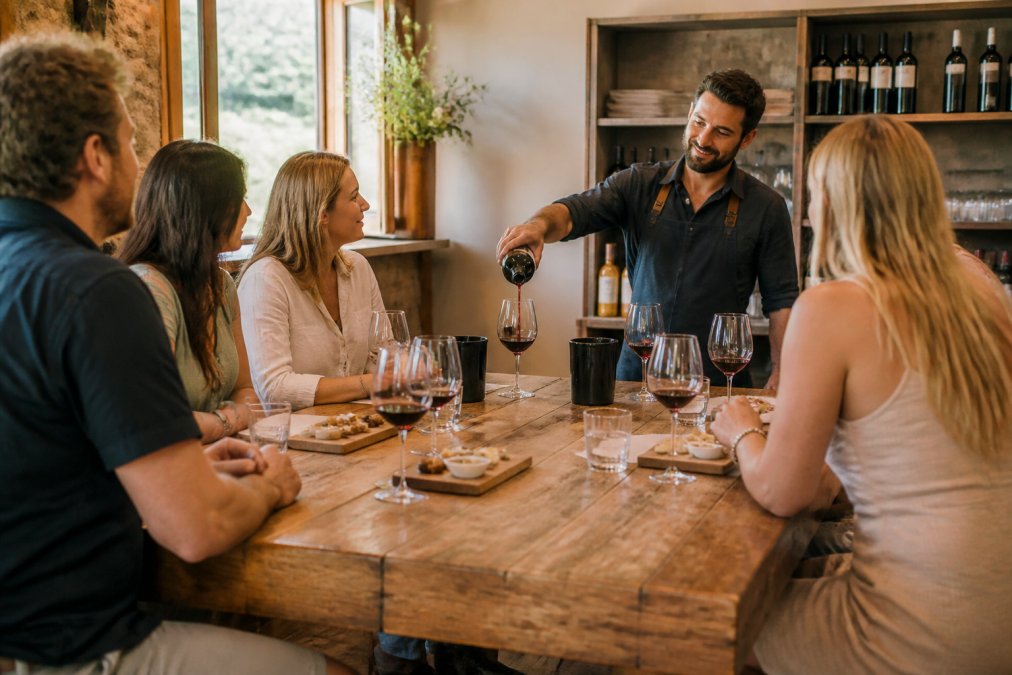
Our top pick for a boutique Swan Valley visit is Little River Winery, and the reason comes down to range and consistency. The cellar door pours sparkling, white, red, and fortified wines, so a single tasting covers the valley's full stylistic spectrum. Cellar door tastings are capped at a maximum of 8-10 guests per group, which keeps the experience personal and gives the pouring team time to talk through each wine properly.
That group cap matters if you are planning a celebration or corporate outing. Larger parties will need to split into smaller groups or arrange a private booking, but the trade-off is a tasting where you actually learn something rather than being rushed.
The Florial Rosé and Other New Releases
The standout new release for summer 2026 is the Florial 2025 Rosé, priced at $15.00. It is crisp and dry with strawberry aromas, light and fruity, and exactly the kind of wine that works for picnics and warm evenings. For sparkling drinkers, the Brut de Brut remains the best seller, made using the méthode familiale from chardonnay and chenin blanc at $16.00 as part of a mixed case or $180.00 for a full case.


Red wine lovers should seek out the Shiraz 2022 at $22.00, made from old vines with the concentration that only mature plantings deliver. The fortified range deserves attention too: the Mistelle Blanche at $35.00 is a late-harvest viognier fortified with brandy at 19% alcohol, while the Mistelle Rouge 20 Year Old Tawny at $40.00 offers serious depth for collectors. White drinkers should try the Blancs 2019 at $18.00, a blend of viognier, marsanne, and chenin blanc, or the Chardonnay 2020 at $18.00, which is soft and full of flavour rather than oak-dominated.

| Wine | Style | Price | Best For |
|---|---|---|---|
| Florial 2025 | Rosé | $15.00 | Summer drinking, picnics |
| Brut de Brut | Sparkling | $16.00 mixed / $180.00 case | Celebrations, aperitifs |
| Shiraz 2022 | Red | $22.00 | Old vine depth, red meat |
| Mistelle Blanche | Fortified | $35.00 | Dessert, cheese boards |
| Mistelle Rouge 20yo | Fortified | $40.00 | Collectors, after dinner |
| Blancs 2019 | Dry white | $18.00 | Seafood, light dishes |
| Chardonnay 2020 | White | $18.00 | Roast chicken, creamy pasta |
Boutique Winery Cellar Door Etiquette for First-Timers
Boutique winery cellar door etiquette is simpler than many first-timers fear. The core rule is to treat the tasting as a conversation rather than a transaction. Let the pourer know what you usually drink, and they will tailor recommendations rather than walking you through a scripted list.
Spitting is both acceptable and encouraged, particularly if you are visiting several cellar doors in a day. Most venues provide spittoons, and using them is a sign of a serious taster rather than a waste of wine. If you are driving, spit consistently or book a tour operator. Group bookings should confirm numbers in advance, and venues that cap tastings at 8-10 guests will appreciate knowing your party size before you arrive.
How to Choose Between a Budget Visit and a Premium Tasting
The main difference between a budget visit and a premium tasting at a boutique Swan Valley cellar door comes down to what is poured and how much time you get. A standard tasting flight, typically five to seven wines, suits most visitors and covers a producer's core range. Premium tastings usually add reserve or museum vintages, older fortified wines, and more generous pours.
What a Standard Flight Actually Covers
A standard tasting at most boutique venues in 2026 is designed to be a complete introduction to the producer's style. At Little River Winery, for example, a standard cellar door tasting walks you through the full stylistic spectrum: a sparkling, a dry white, a rosé, a red, and a fortified wine. The cost is typically modest, and most venues will waive the fee if you purchase a bottle or two.
When the Premium Tier Delivers Real Value
The premium tier is not about snobbery; it is often about access to wines not available by the glass anywhere else. Consider upgrading if any of the following apply:
- You are a collector or a serious enthusiast. Premium tastings often include museum vintages that show how a wine develops over five, ten, or twenty years. Tasting an older vintage before buying it at auction or in a vertical collection is invaluable.
- You are planning a large order. If you are stocking a cellar or buying cases for a wedding, the tasting fee for a premium flight is a rounding error compared to the cost of buying a case of the wrong wine. The confidence gained is worth the upgrade.
- You are a fortified wine lover. The Swan Valley's specialty is its tawnies and muscats. A premium tasting will often include a 10-year-old and a 20-year-old tawny side-by-side, showing the effect of barrel age on the same base wine. This comparison is the single best education you can get on regional style.
The Trade-Offs to Consider
A premium tasting is not always the right choice. Consider the downsides:
- Time commitment. A premium flight can take 45 to 60 minutes, compared to 20 to 30 minutes for a standard flight. If you are visiting four cellar doors in a day, two premium tastings will leave you rushed for the rest.
- Palate fatigue. Tasting six or eight high-alcohol fortified wines in a row will numb your palate. If you plan to visit multiple venues, save the premium fortified tasting for your final stop of the day.
- Cost per pour. While the total fee is often applied to a purchase, the upfront cost of a premium flight is higher. If you are only going to buy a single bottle of rosé, a standard flight is the better value.
A Practical Decision Framework
| Scenario | Recommended Tier | Why |
|---|---|---|
| First visit to the region | Standard | Gauge the producer's core style before committing |
| Casual drinker buying a mixed case | Standard | Covers all the bases you need for everyday drinking |
| Collecting aged reds or tawnies | Premium | Access to museum vintages you cannot buy by the glass |
| Planning a wedding or large event | Premium | Confidence before a high-volume order |
| Visiting 4+ cellar doors in one day | Standard | Avoid palate fatigue and time pressure |
For most visitors, the smartest approach is to book a standard flight at your first stop, then upgrade to a premium tasting at your final venue once your palate is warmed up and you have a better sense of what you are looking for.
Planning Your 2026 Boutique Winery Trail
A well-planned boutique winery trail limits itself to three or four cellar doors in a day. Rushing between five or six venues leaves no time for the unhurried conversations that make boutique visits memorable. Start mid-morning, break for lunch at a venue with a restaurant or produce platter, and finish by mid-afternoon while the tasting rooms are still quiet.
The 2026 Seasonal Calendar at a Glance
The 2026 vintage calendar gives you specific dates to build a trip around. While exact dates shift with the season, the region's key windows are consistent enough to plan around:
- Late February to April (Harvest): This is when the valley is most alive. You will see fruit coming in and may catch winemakers at work. Some boutique cellar doors offer 'harvest tours' or special vertical tastings of the just-picked vintage. Expect the busiest crowds on weekends.
- May (Swan Valley Weekly Winter Wine Festival): Historically held over a series of weekends in May, this event sees participating cellar doors offer special tastings and food pairings. It is an excellent time to try fortified wines, which are a regional specialty.
- October (Spring in the Valley): Many producers host 'vineyard walks' or release their new vintage whites and rosés during the spring school holidays. The weather is mild, making it ideal for outdoor seating.
- November (Cellar Door Week): A national initiative that several Swan Valley boutiques join, offering exclusive tastings or discounts on cellar door purchases.
Check individual winery social media pages or the official Swan Valley tourism calendar in early 2026 for confirmed dates, as many events are finalised only a few months prior.
Getting There Without a Designated Driver
The biggest logistical hurdle is the distance between venues and the volume of wine. Do not rely on ride-share apps; they are unreliable for the return trip back to the city. Instead, consider these dedicated options:
- Swan Valley Tours: Several local operators run half-day and full-day itineraries that stop at 4-5 cellar doors. This is the most stress-free way to visit multiple venues.
- Swan Valley e-Scooter or Bike Hire: For the fit and the sober, hiring an e-bike from a provider near the Guildford end of the trail allows you to cover ground while avoiding drink-driving concerns. Most hire shops provide helmets and route maps.
- Designated Driver Packages: Some venues offer a 'driver's tasting' (a smaller pour or a non-alcoholic option) for the person behind the wheel. Ask when you book.
Accessibility and Pet-Friendly Logistics
Here is what to expect in 2026 for families and pet owners:
- Prams and Strollers: Many boutique cellar doors are in heritage buildings with steps at the entrance. Call ahead to confirm ramp access. Venues with expansive lawns or verandahs are generally the most pram-friendly.
- Dogs: Dog policies vary significantly. Some venues welcome well-behaved dogs on outdoor verandahs and provide water bowls, while others restrict pets to the car park due to health regulations around food service. If you are travelling with a dog, always phone the cellar door before you arrive to confirm their current policy.
- Non-Drinking Companions: Most cellar doors now offer a local non-alcoholic grape juice or a tasting of verjus (the unfermented juice of unripe grapes) for designated drivers and children, so they are not left out of the experience.
Sustainability: Asking the Right Questions
Sustainability is a growing focus across the region, but 'green' claims vary. Rather than relying on labels, ask specific questions at the cellar door. Common patterns among the region's more eco-conscious producers include:
- Water management: Ask about drip irrigation or dry-grown vines, which are significant in a Mediterranean climate.
- Packaging: In 2026, you will see a push toward lightweight glass bottles and recycled cardboard for cases. Ask if they offer a 'refill' or 'bring your own bottle' program for fortified wines.
- Organic certification: While full organic certification is still rare in the valley, several producers are in the conversion phase. Ask if they are 'organically farmed' or 'practising organic' even if they are not yet certified.
Conclusion: Your Next Swan Valley Vintage Awaits
Choosing between the boutique wineries Swan Valley offers in 2026 comes down to what you value: personal service, distinctive varietals, and wines that reflect a specific place and season. The region rewards visitors who slow down, ask questions, and trust the cellar door team to guide them.
At Little River Winery, we pour sparkling, white, red, and fortified wines that capture our vineyard's character, with tastings capped at 8-10 guests to keep the experience personal. Whether you are planning a case for a wedding of 80, hunting a serious aged tawny, or simply want a crisp rosé for summer, start with a cellar door visit and taste before you commit.
Frequently Asked Questions
What makes a Swan Valley winery 'boutique' in 2026?
A boutique winery focuses on small-batch production, often using estate-grown fruit. You will find hand-crafted wines and a personal touch from the winemaking team. Unlike large producers, these vineyards prioritise quality and unique varietals over volume. The emphasis is on terroir and craftsmanship. When you visit a boutique cellar door, you are tasting the specific character of that vineyard, not a mass-produced blend.
Are bookings required for boutique cellar doors in 2026?
Yes, booking ahead is now standard practice for most boutique cellar doors. This is part of modern cellar door etiquette. It guarantees your spot, especially on weekends and during harvest season. Many venues, like Little River Winery, cap cellar door tasting groups at a maximum of 8-10 guests to ensure a personal experience. A quick call or online booking also lets the winery prepare a tasting flight tailored to your preferences.
How do I plan a self-guided tour of boutique vineyards in the Swan Valley?
Start by mapping the wineries you want to visit, keeping travel time in mind. Choose a designated driver or book a tour service, as the wine trail involves tasting multiple flights. Aim for no more than three or four cellar doors in a day. Mix up your stops to include different styles, such as a sparkling producer and a fortified wine specialist. Check each winery's website for opening hours, as many boutique venues close early or operate on limited days.
Are there family-friendly boutique wineries in the Swan Valley?
Many boutique wineries welcome families, but it is worth checking their individual policies before you arrive. Some, like Little River Winery, offer a sophisticated tasting experience best suited to adults. Others provide large gardens or picnic areas where children can play. When planning your day trip itinerary, look for venues that advertise family-friendly facilities. Always confirm that minors are permitted in the cellar door area itself, as this can vary between venues.
What is the price range for a premium wine tasting in the Swan Valley?
Tasting fees vary widely. You can find free tastings at some larger venues, but boutique experiences often charge a fee, which is usually waived on purchase. A standard tasting flight might cost between $10 and $20 per person. For a more exclusive, sit-down tasting of reserve or fortified wines, expect to pay $25 to $40. This fee often includes a guided commentary from a winemaker or sommelier, offering a deeper understanding of the winemaking process.
The best boutique wineries Swan Valley 2026 has to offer are the ones that take the time to understand what you like. Book a tasting at Little River Winery and explore a range that spans crisp whites, old vine shiraz, and 20-year-old fortified tawnies. Get started with a cellar door visit and find the vintage that belongs in your collection.